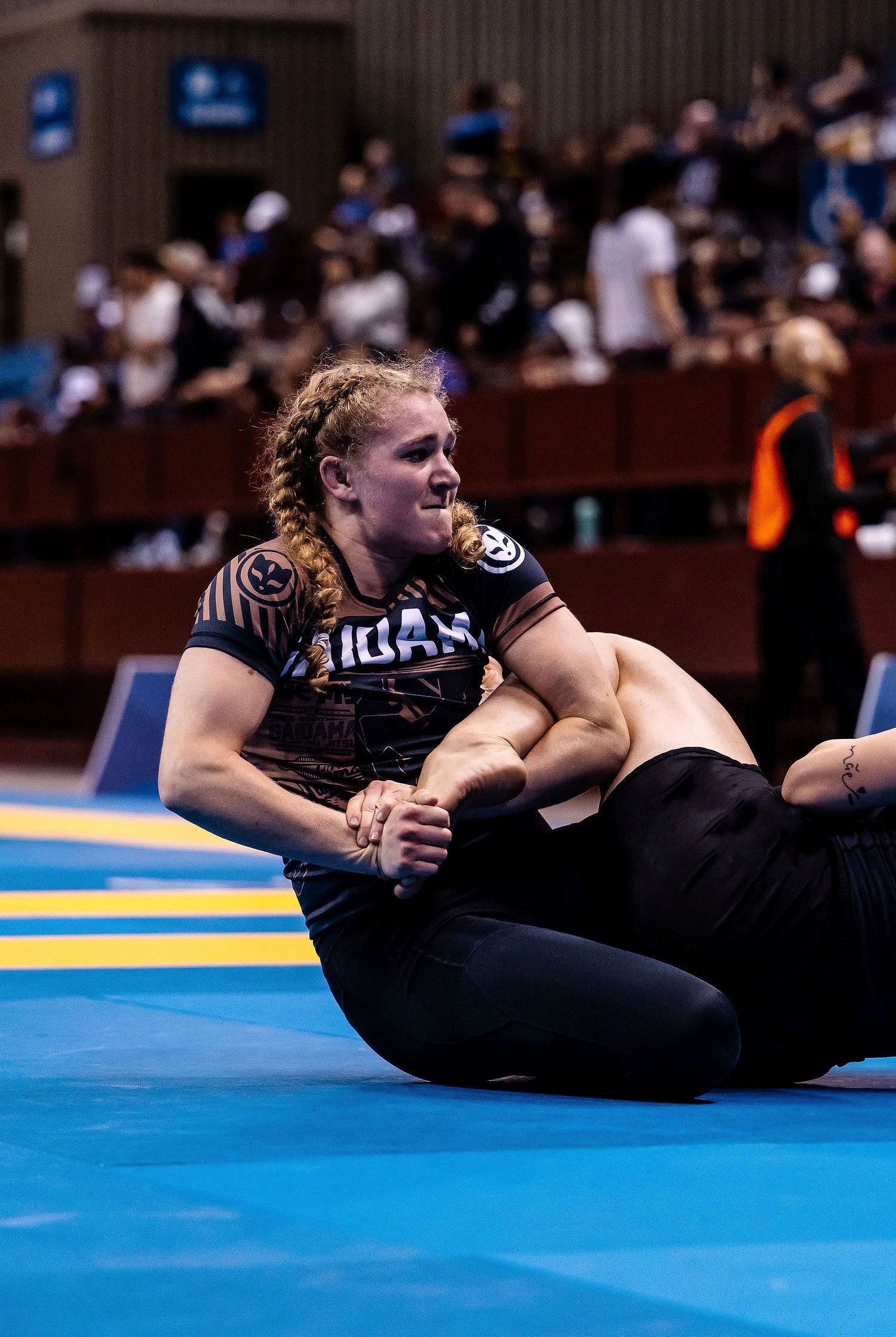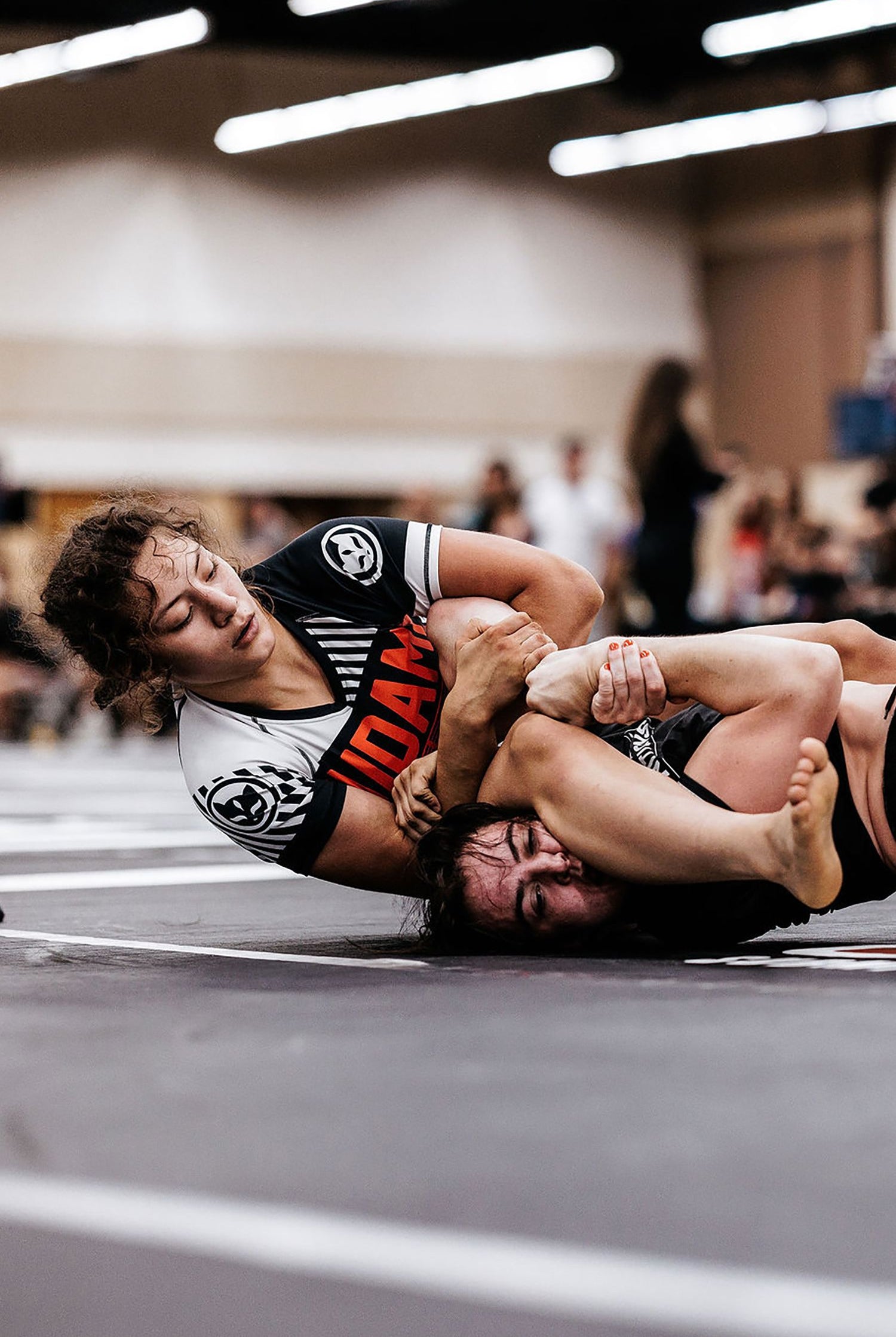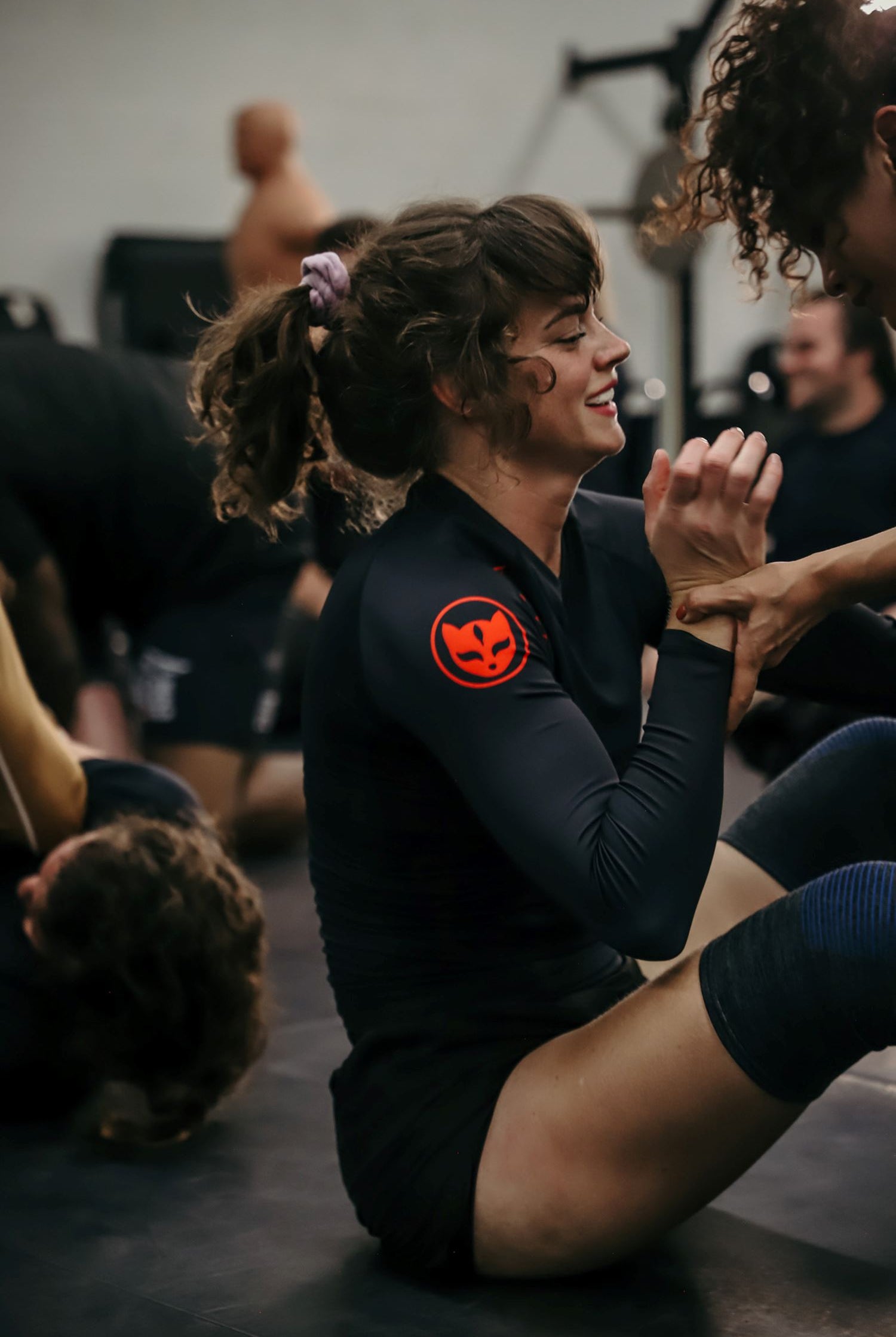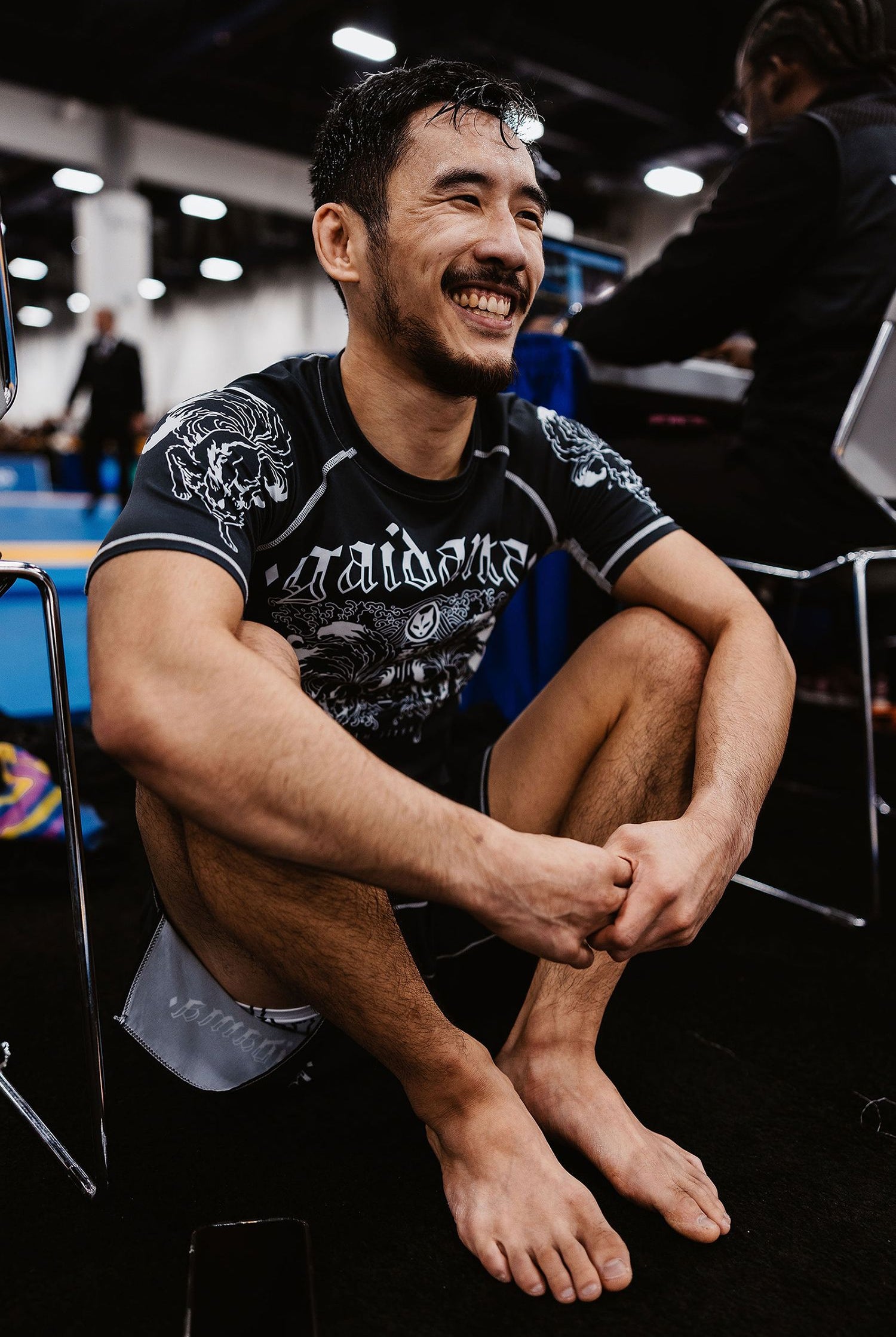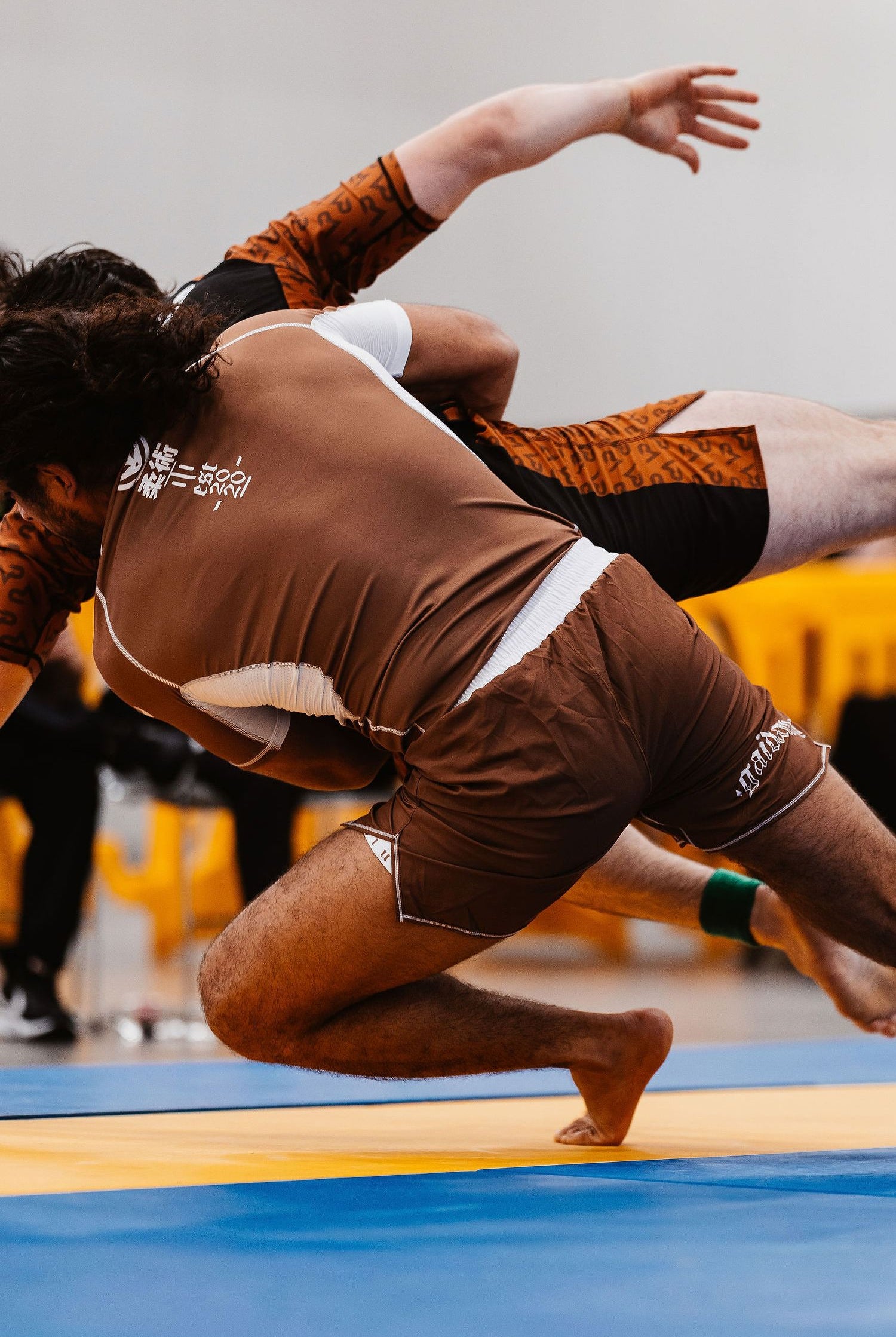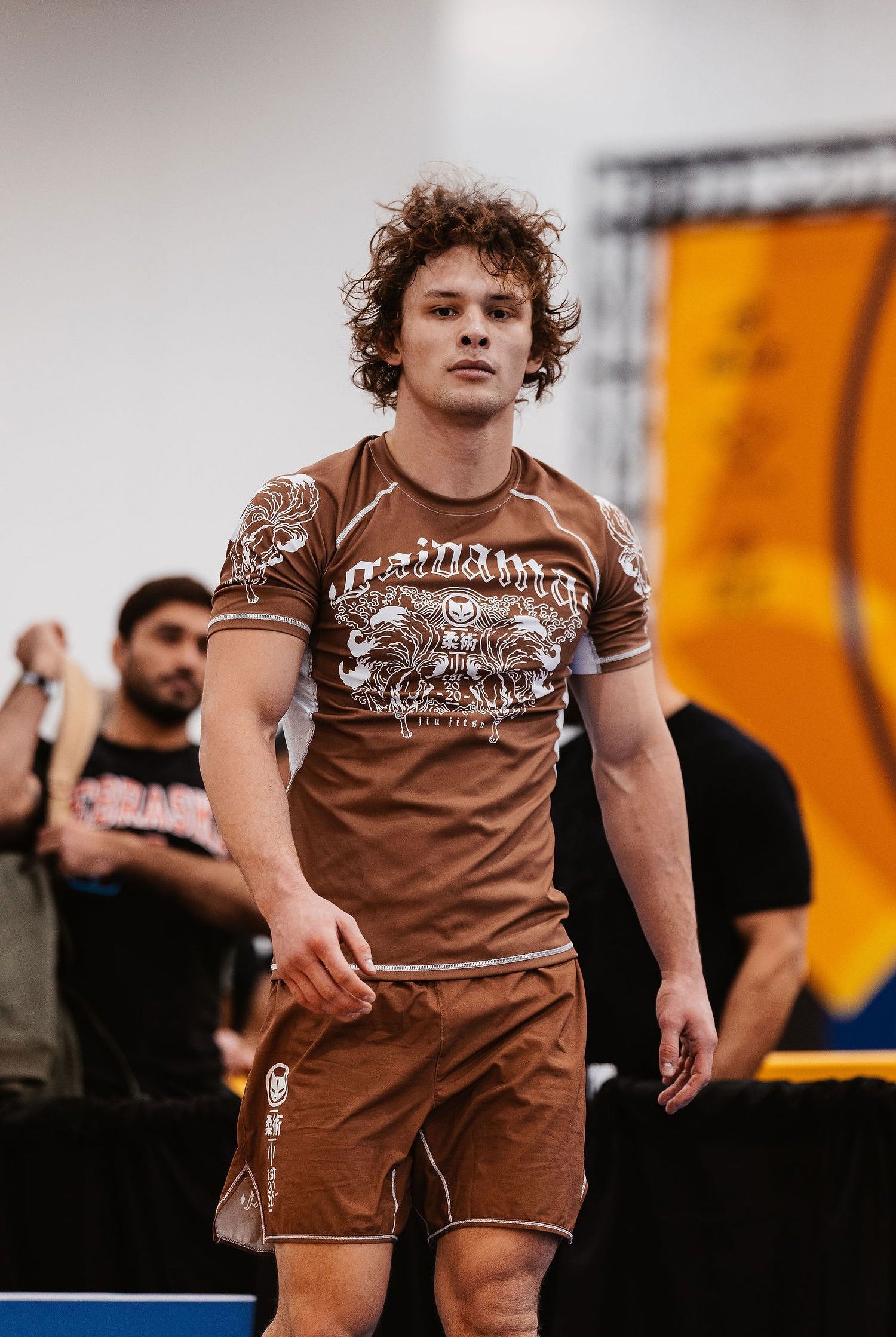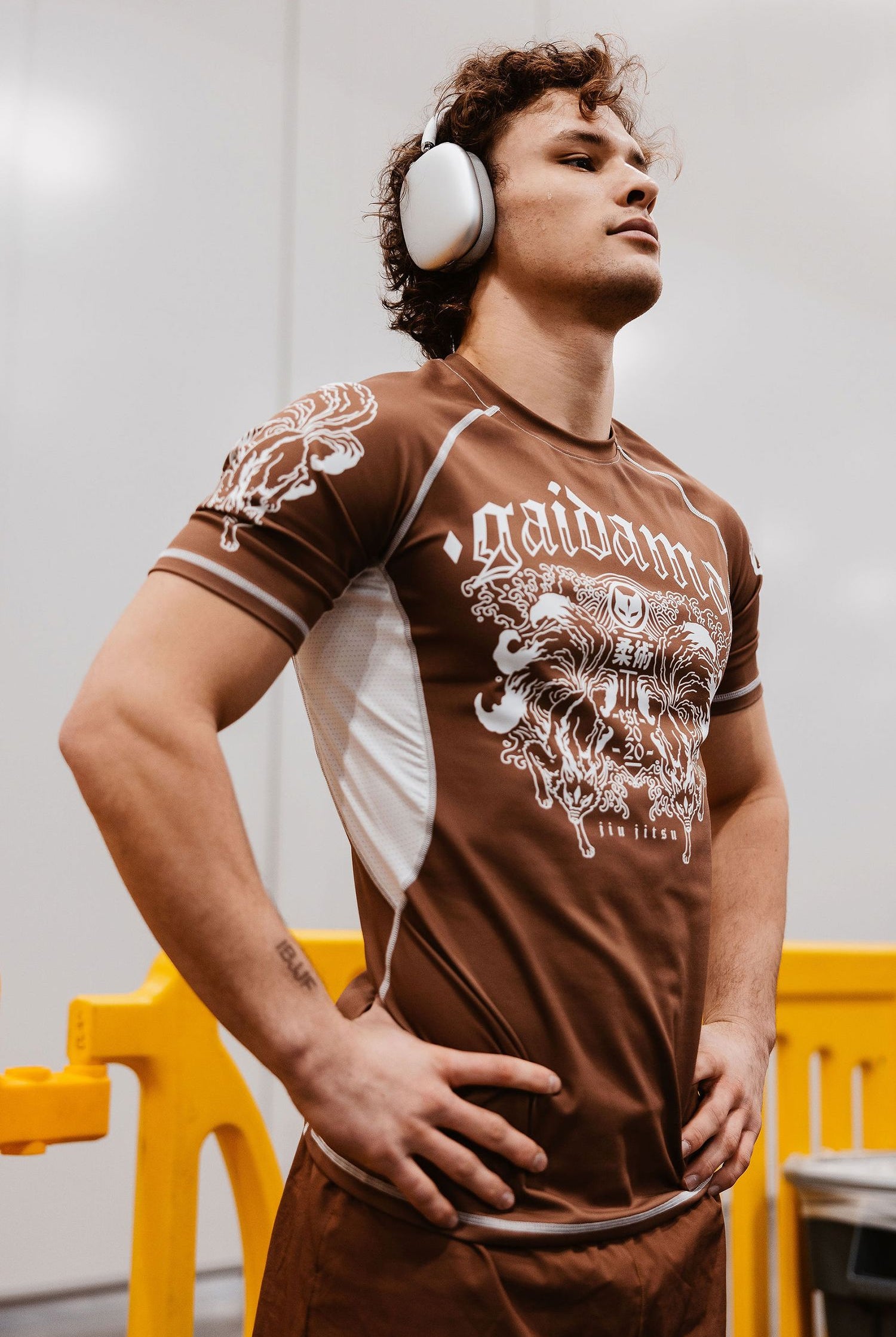

Maybe you’re looking for an effective form of self-defense. Maybe you’re already a seasoned athlete looking for extra training in a new sport. Or maybe you’re just interested in improving your fitness level and sharpening the physical capabilities of the human body. Either way, you’ve come to the right place.
Popularized during the twentieth century by the Gracie family, who imported Brazilian jiu-jitsu to the United States by way of the now world-famous UFC, today’s jiu-jitsu scene offers something for everyone. What’s more, competition opportunities are plentiful at all levels, whether you’re a journeyman student looking for colored belt matches, or an older grappler hoping to dominate the masters divisions.
BJJ Lingo 101: A Quick and Dirty Guide to Common Terms and Concepts
While coaches for most beginner classes will offer a quick introduction to common terms and concepts, it doesn’t hurt to go in with a head start. Some handy basic information to know beforehand include common knowledge like simple positional concepts, mat etiquette, and the belt rank progression system.
What are the key positions in Brazilian jiu-jitsu?
You may have heard jiu-jitsu practitioners discuss the idea of “position before submission” – but what does it mean? Exactly what it sounds like – in order to execute a submission like a joint lock or a strangle, a practitioner needs to achieve dominant positions first, such as mount or back control.
Attempting submissions from bad positions – like the bottom of mount – generally has a low-percentage success rate, and is not advisable. Instead, here, we would focus on common defenses like hip escapes or the bridge escape.
Here are the major positions you should be aware of in Brazilian jiu-jitsu:
-
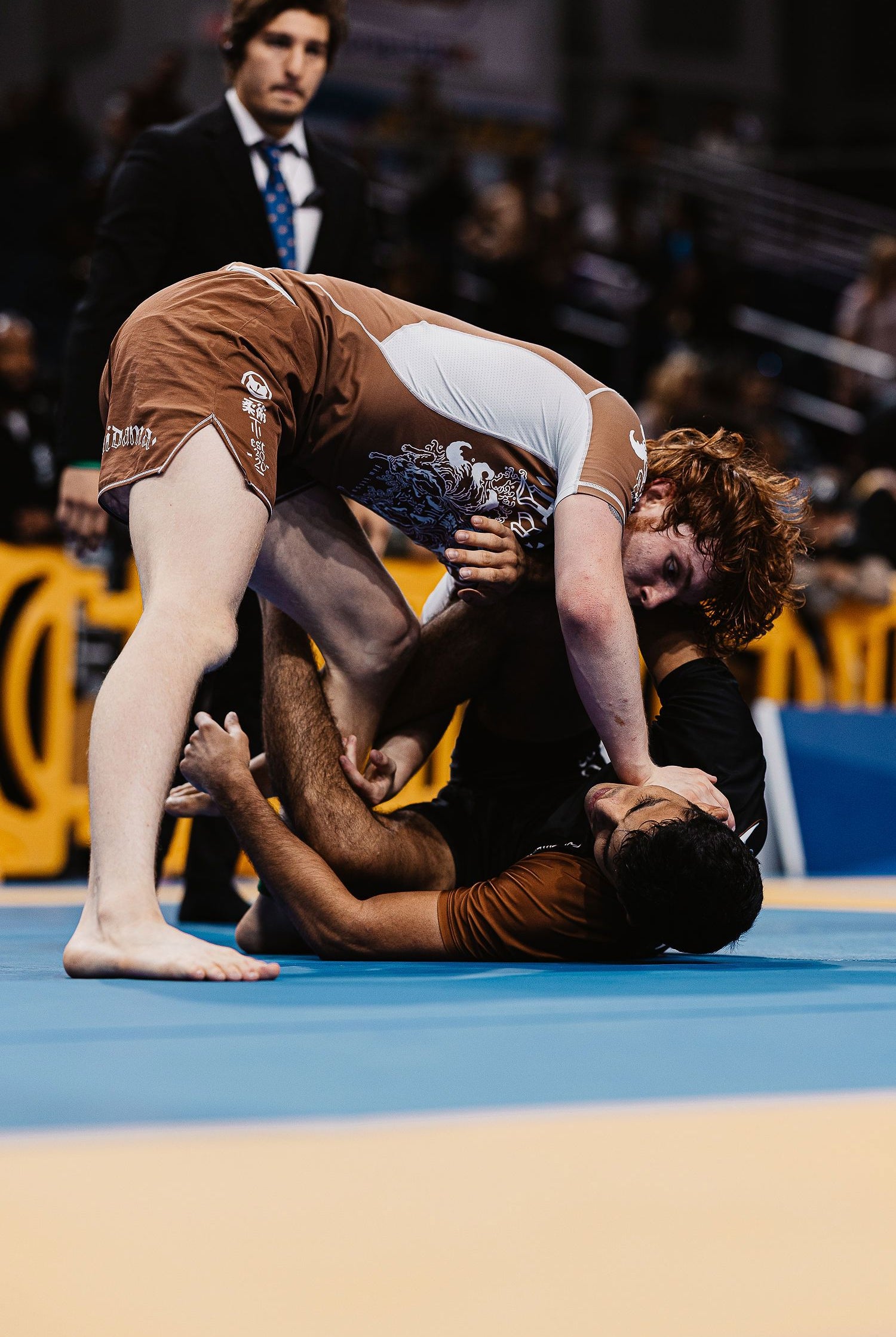
The Guard – A relatively neutral position in grappling, the guard is the only jiu-jitsu position in which these bottom player can control the top player with relative ease, enabled by the bottom player’s use of their legs to submit or sweep the top player. This makes it a very useful defensive position. The existence of the guard game is why both the art of guard passing – i.e. the top player’s ability to control and pass the dangerous barrier of the bottom player’s legs – and the art of guard retention are equally crucial skills in Brazilian jiu-jitsu.
Fundamental guards include closed guard, where the bottom player’s legs are wrapped around the top player, and various open guards, where the bottom player’s legs are used to entangle or shield against the top player’s movements. One versatile form of guard that has grown in popularity is the butterfly guard, which use the shins, feet, and hip movement to sweep an opponent.
-
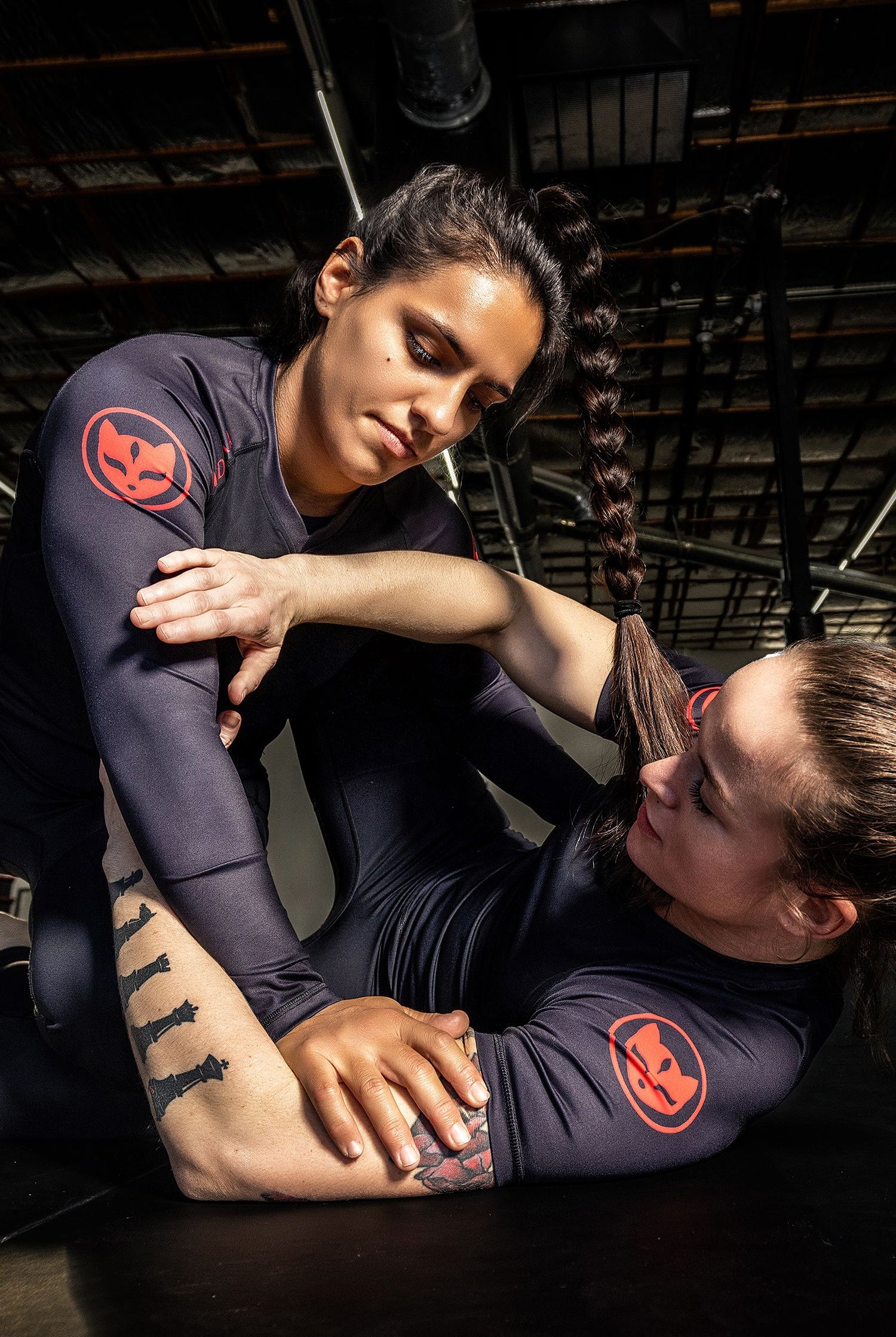
Side Control – Also sometimes called side mount, side control is a pin that occurs directly after the guard pass, when the dominant player has both knees on one side of the bottom player, but has not yet achieved mount or back mount. Though not worth points in itself during competition, the guard pass that leads to side control is worth three points. Be prepared for your opponent to attempt aggressive hip escapes from this pin!
-
Turtle Position – Though the turtle position is generally considered inferior in jiu-jitsu, it is also a useful defensive position, in which the bottom player gives up the back while keeping their limbs tightly compressed to protect themselves from guard passes and submissions.
-
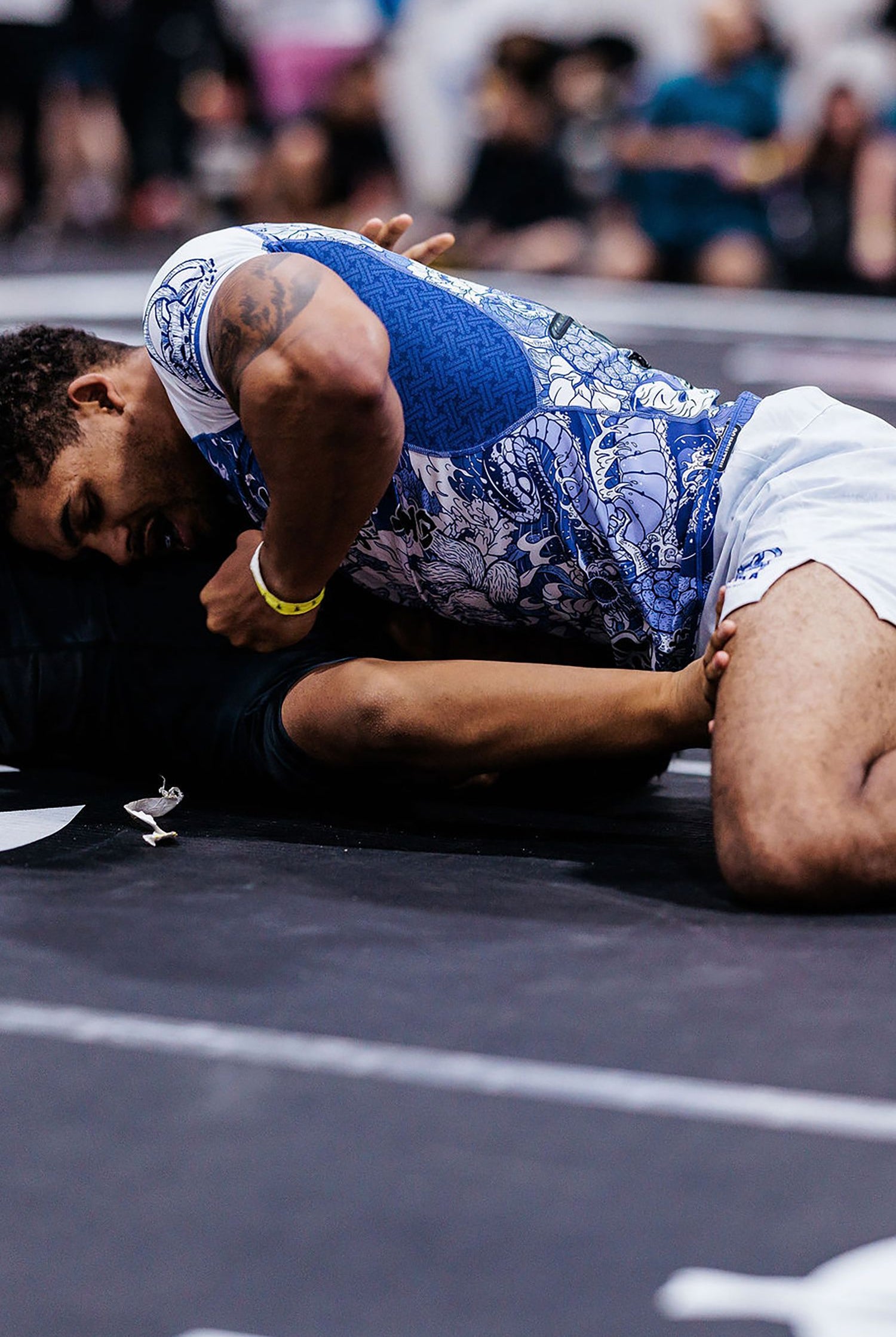
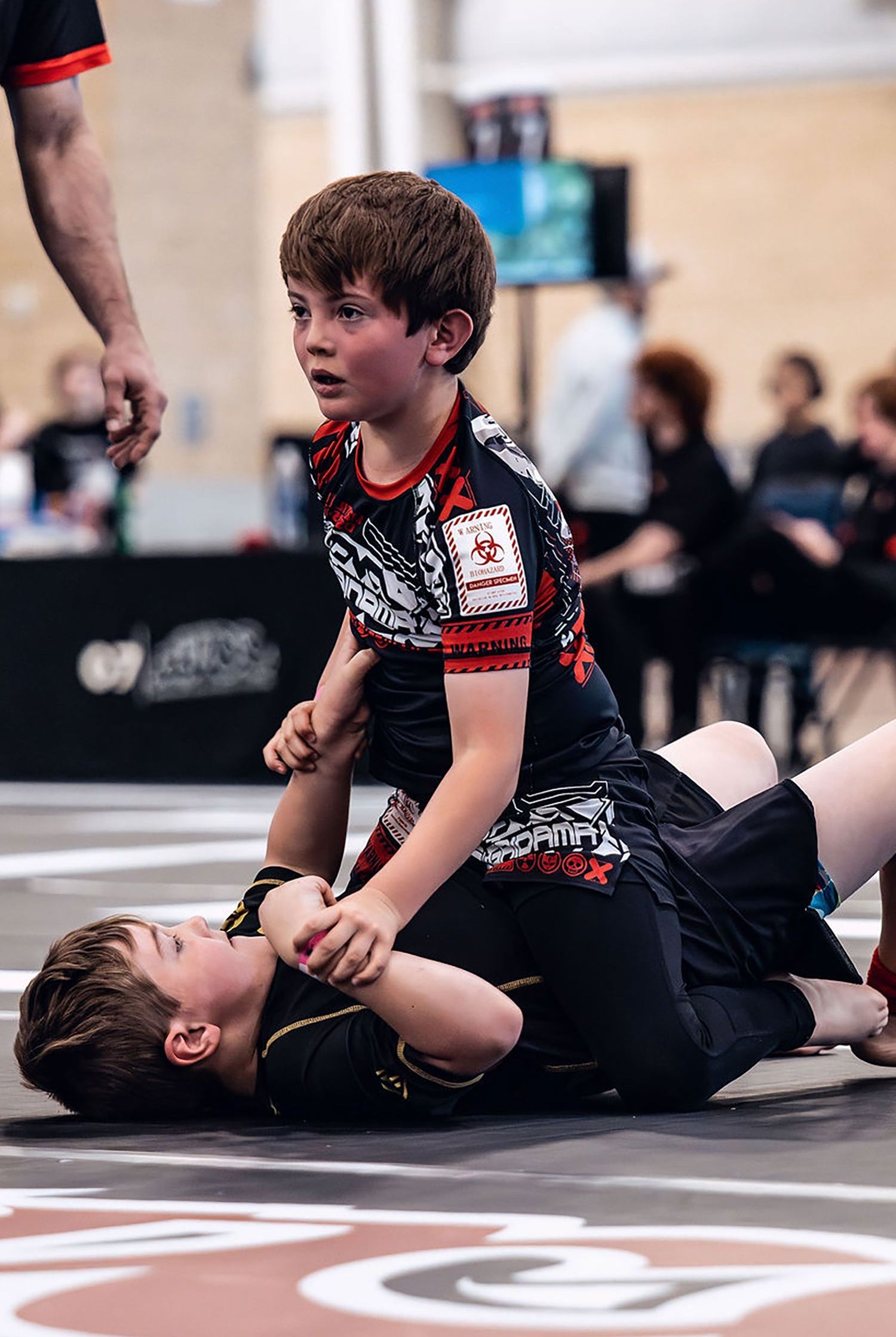
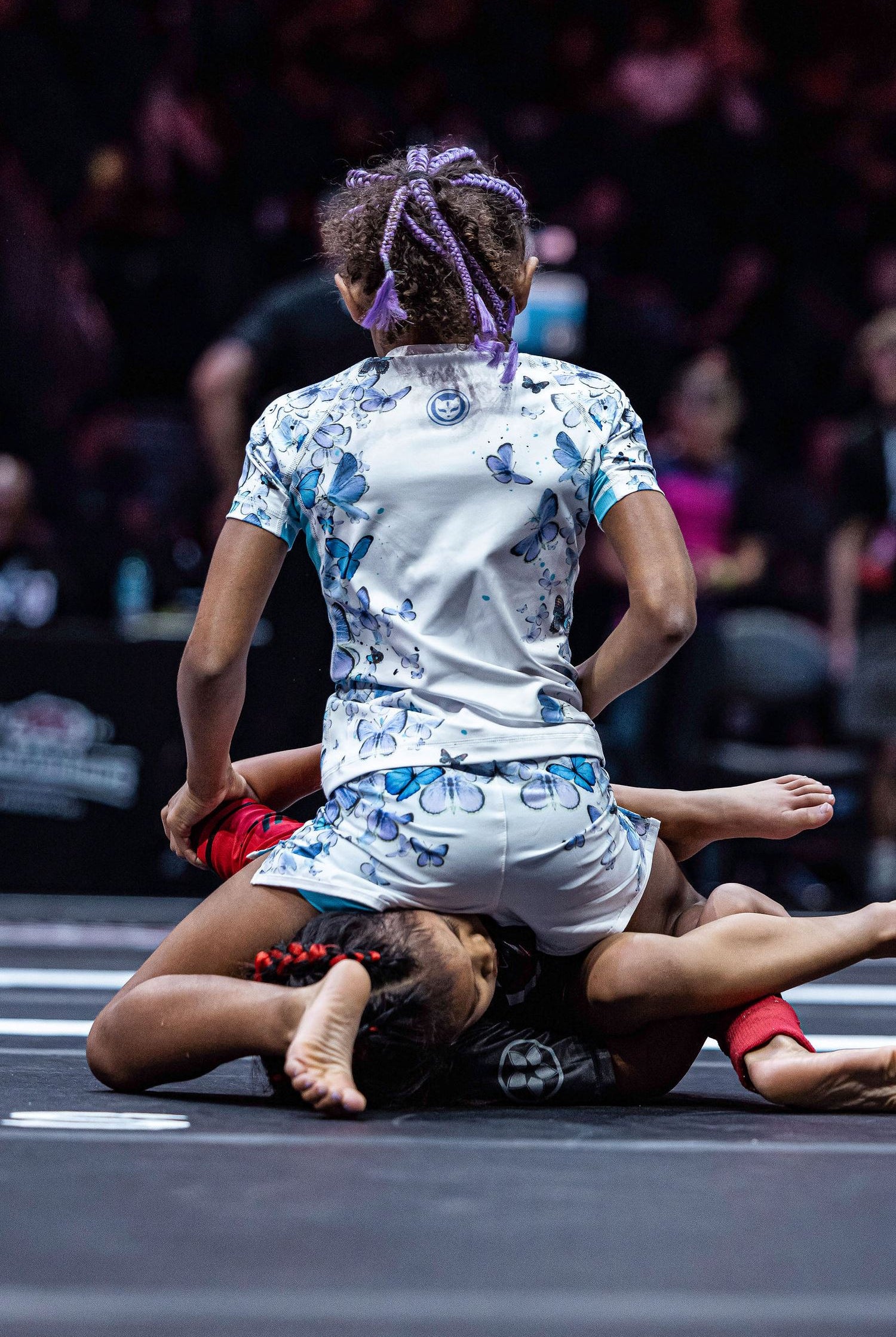
Mount – One of the most dominant positions in jiu-jitsu, the mount occurs when the top player successfully pins the bottom player with both legs astride, as if mounted on a horse. It is an ideal position for basic chokes like the cross-collar choke.
-
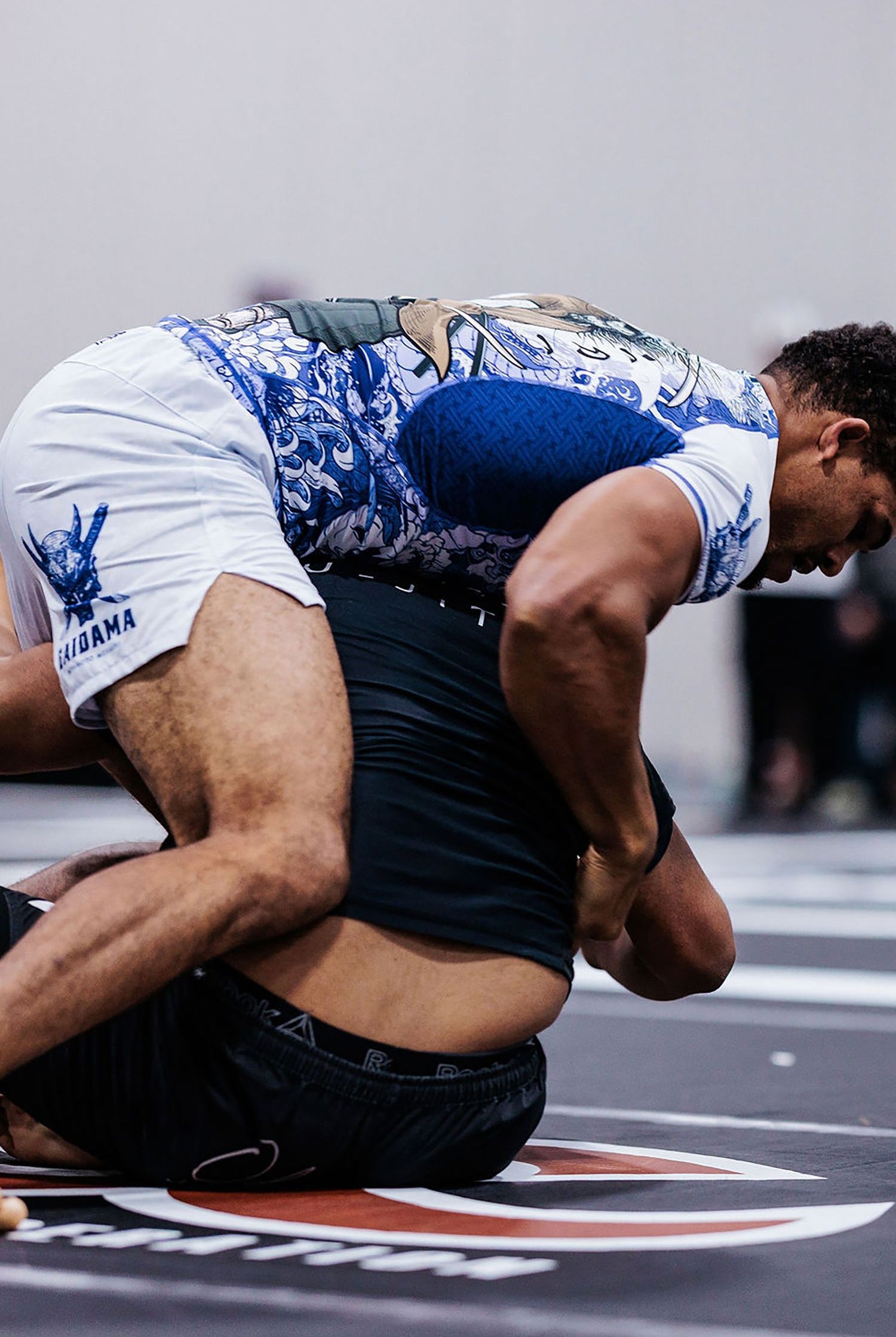
Back Mount – Another example of dominant positions in jiu-jitsu, the back mount occurs when the dominant player takes the back of their opponent, and controls them with both legs, or “hooks,” along with a seatbelt grip. This is an ideal position for popular submissions such as the rear naked choke and various lapel chokes. A popular variant of the traditional back mount with two hooks is the body triangle, in which the dominant player, while maintaining the seatbelt grip, hooks their knee over their opposite ankle to tighten control around the bottom player’s torso. Although traditional IBJJF competition does not award points for the body triangle, it is still one of the most dominant positions that a player can achieve.
-
Knee on Belly – Also sometimes called knee mount or knee ride, knee on belly is a top control position in which the player in top position controls the bottom player by placing their knee on the bottom player’s stomach to pin the bottom player in place. This is worth two points in competition.
How do I keep myself and my training partner safe when we spar?
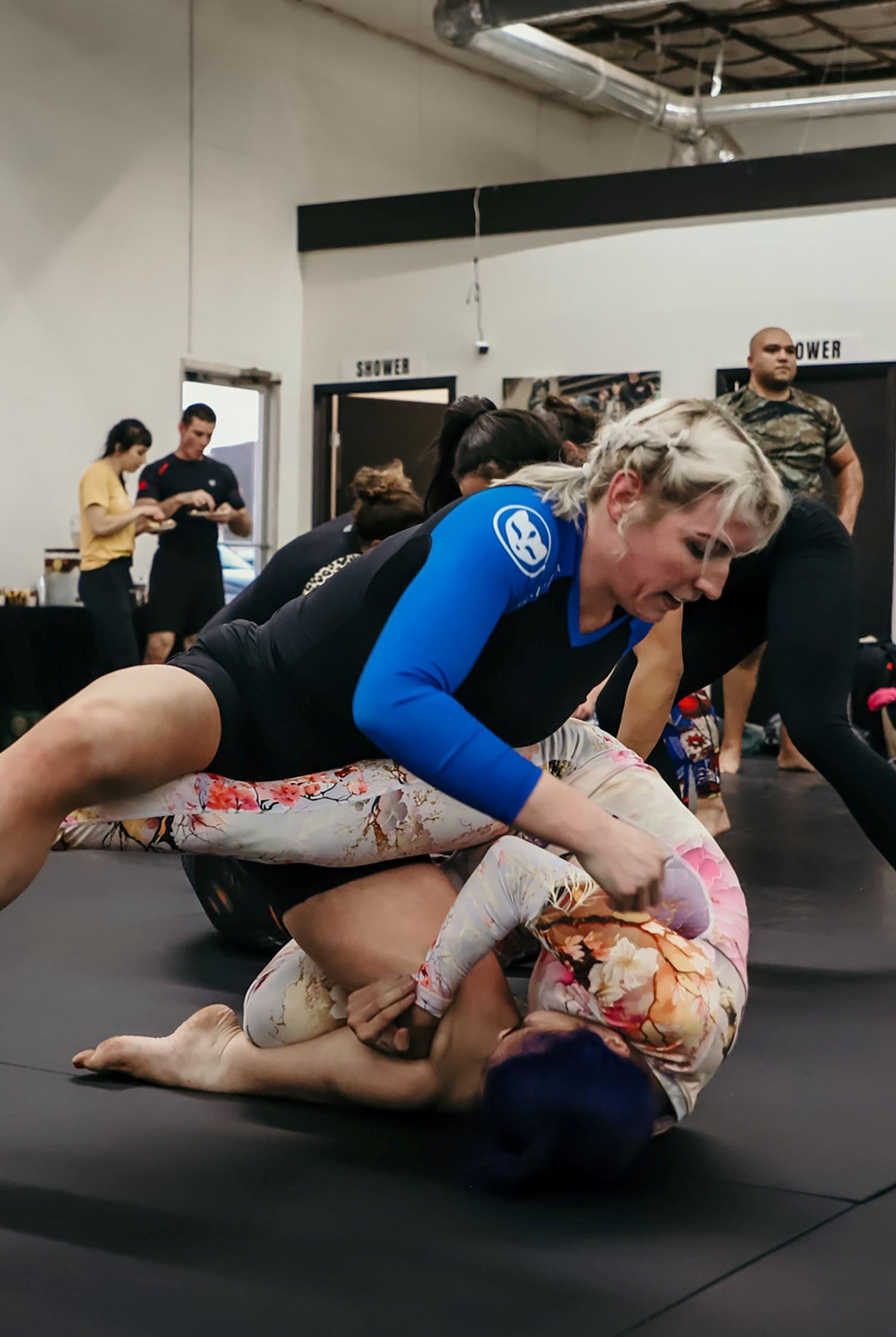
Sparring live – or “rolling,” as we call it in jiu-jitsu – though an essential aspect of the sport, is usually optional on your first day of class. However, if the coach allows you the option to spar on day one, and you’re feeling adventurous, here are a few tips for making sure you and your training partner both have a safe, positive experience:
-
Tap clearly and loudly, if you feel like you’re in hot water – safety is a key aspect of the sport!
-
Try to keep your movement pattern under control – fast is not always better, slow is safe, and no one likes a stray knee to the face.
-
If you’re confused by a technique or exercise, ask a colored belt – or better yet, a black belt. Good beginner classes encourage questions.
What are the Brazilian Jiu-Jitsu belt ranks?
The adult Brazilian jiu-jitsu belt rank system progresses, in order of experience, as follows:
-
White Belt
-
Blue Belt
-
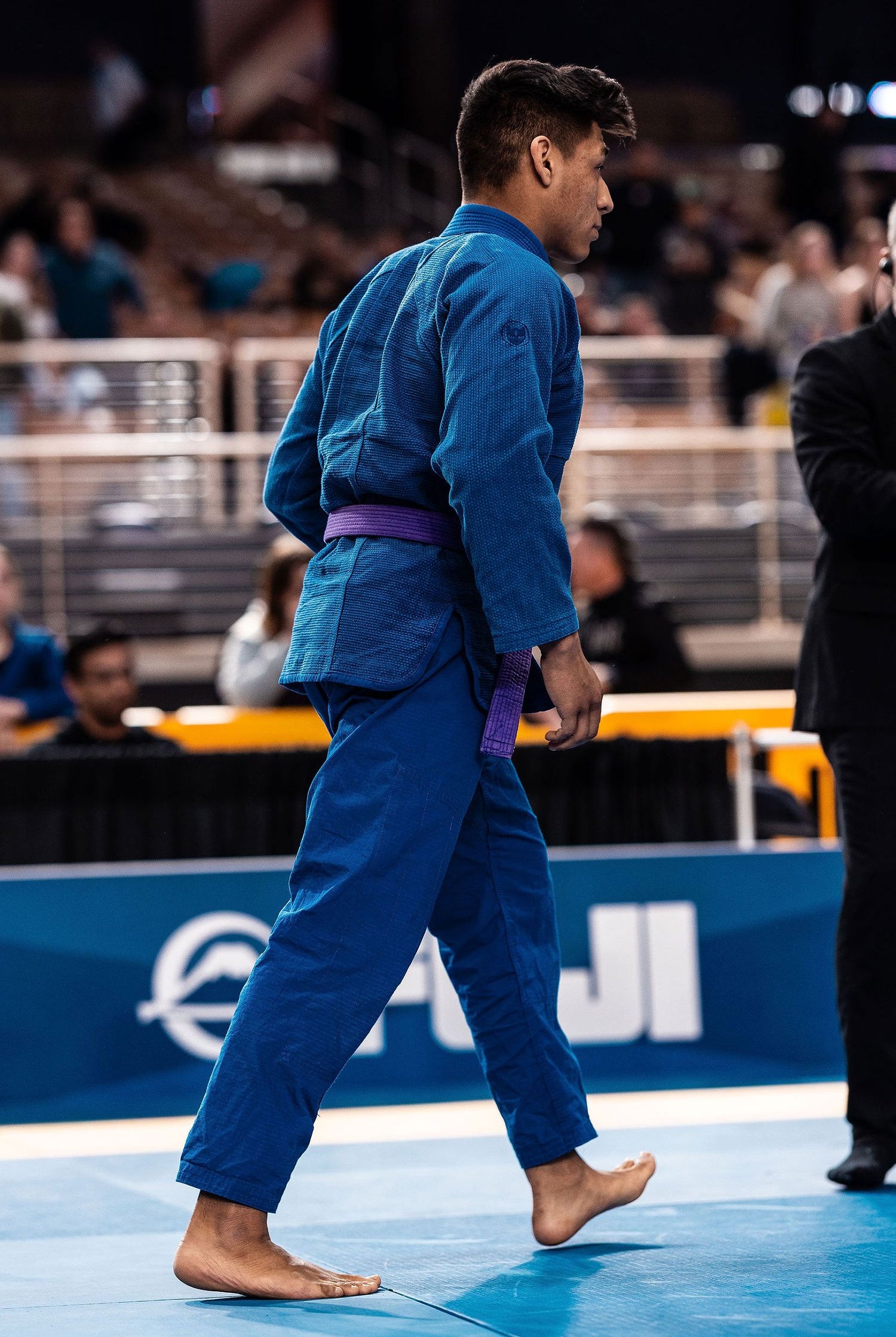
Purple Belt
-
Brown Belt
-
Black Belt
Since only three colored belt levels exist between white and black belt levels, Brazilian jiu-jitsu promotions typically take longer than the would in other belt rank systems. Within the black belt, practitioners can be promoted up through the seventh and eighth degree, which denotes a coral belt, with the highest rank being ninth degree. The tenth degree black belt does not exist in the traditionally recognized system of belt ranks.
What to Expect at Your First Complimentary Trial Class
Remember this rule of thumb for your first day of class: try not to be too nervous. You’re a brand new white belt sampling some beginner classes for the first time, which means no one at a reasonable gym will expect you to be perfect, much less competent! While many first-timers worry about their fitness level, most beginner classes are not terribly taxing, and open to all body types, sizes, ages, genders, and previous fitness experience.
Most gyms with well-structured beginner classes will ensure that you’re assigned a very patient, knowledgable coach, along with a safe training partner who follows basic rules of mat etiquette.
However, you can start by knowing what gear to purchase, and some basic do’s and don’ts. Basic recommended gear includes:
-
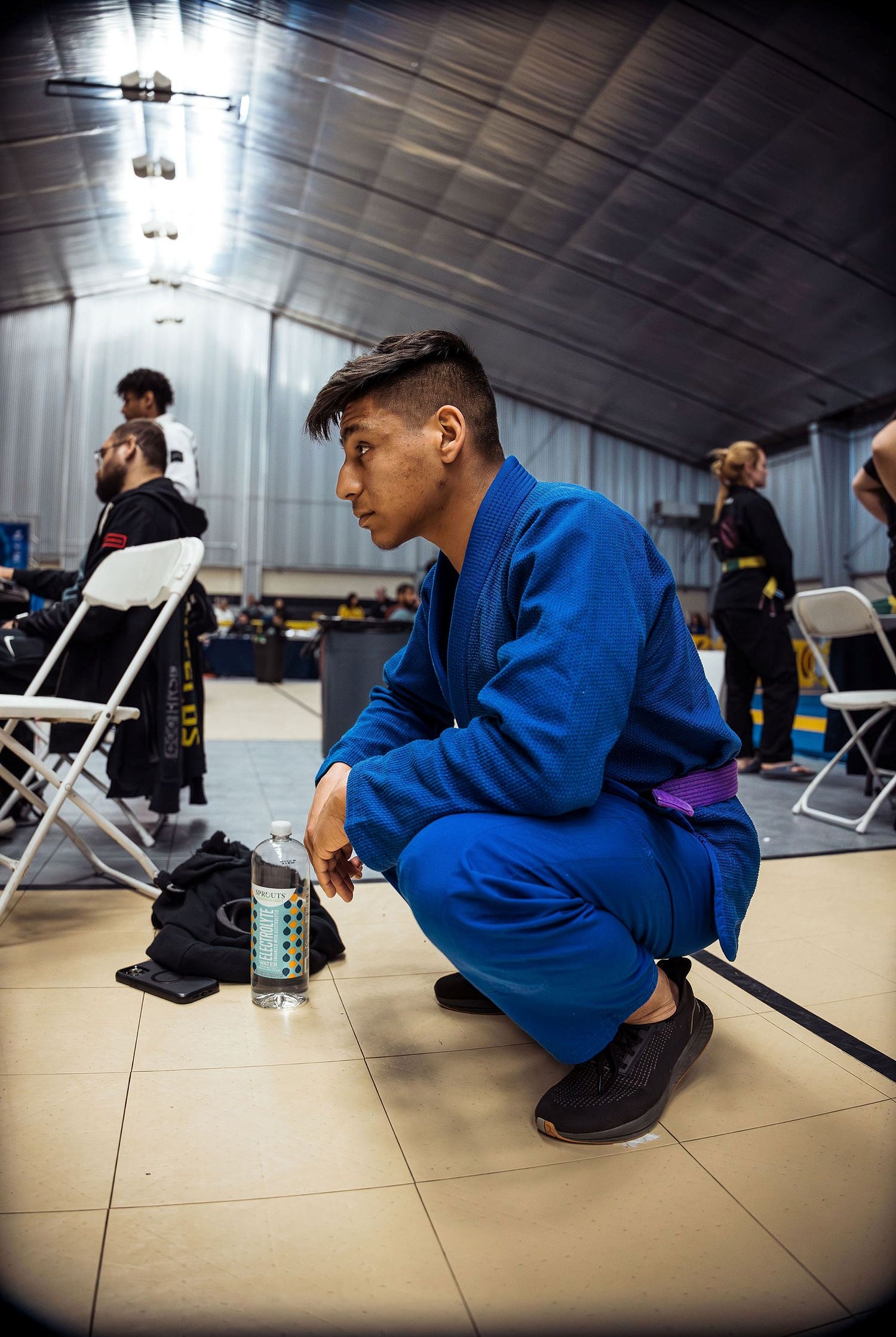
Water bottles – a dehydrated grappler is an unhappy grappler indeed.
-
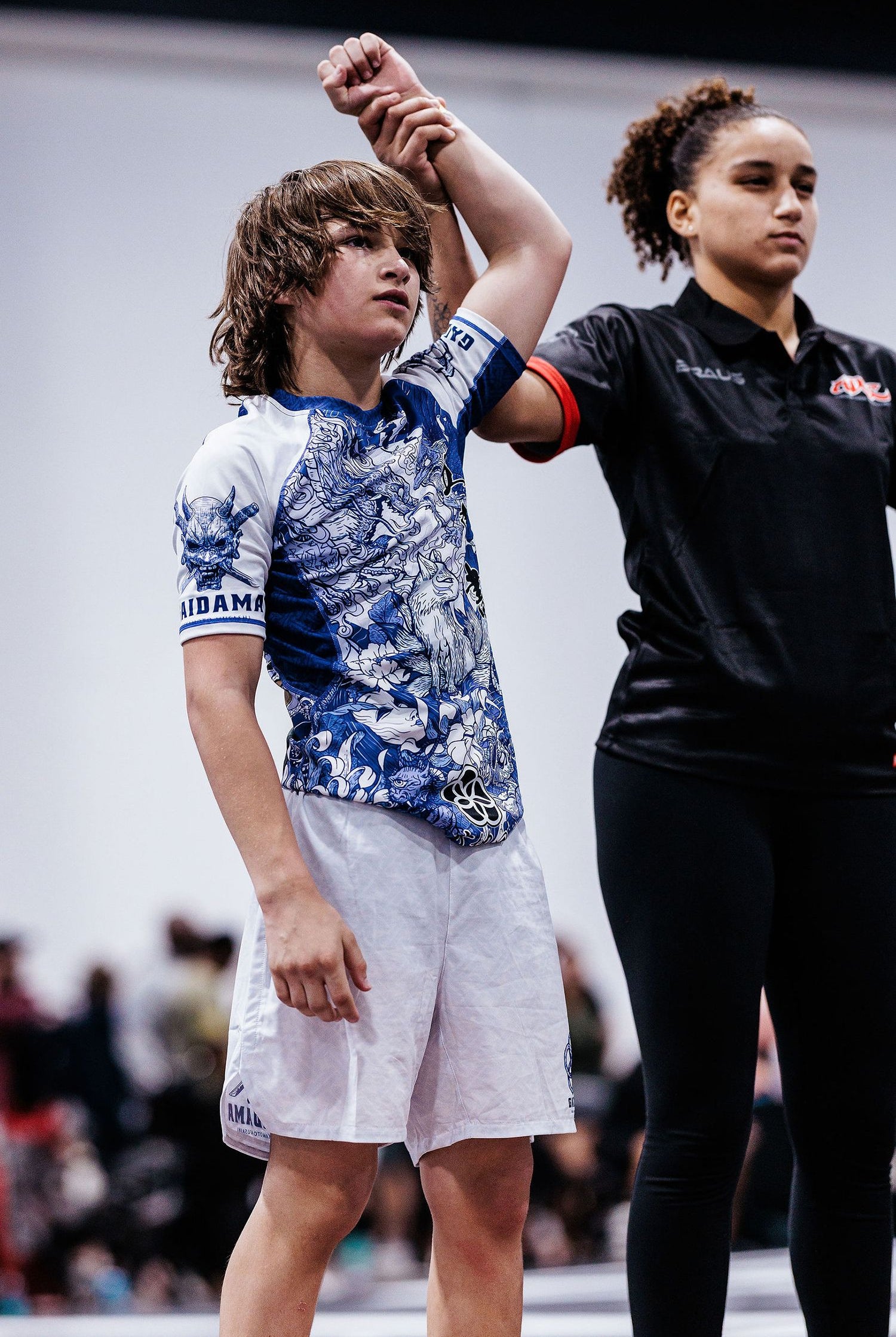
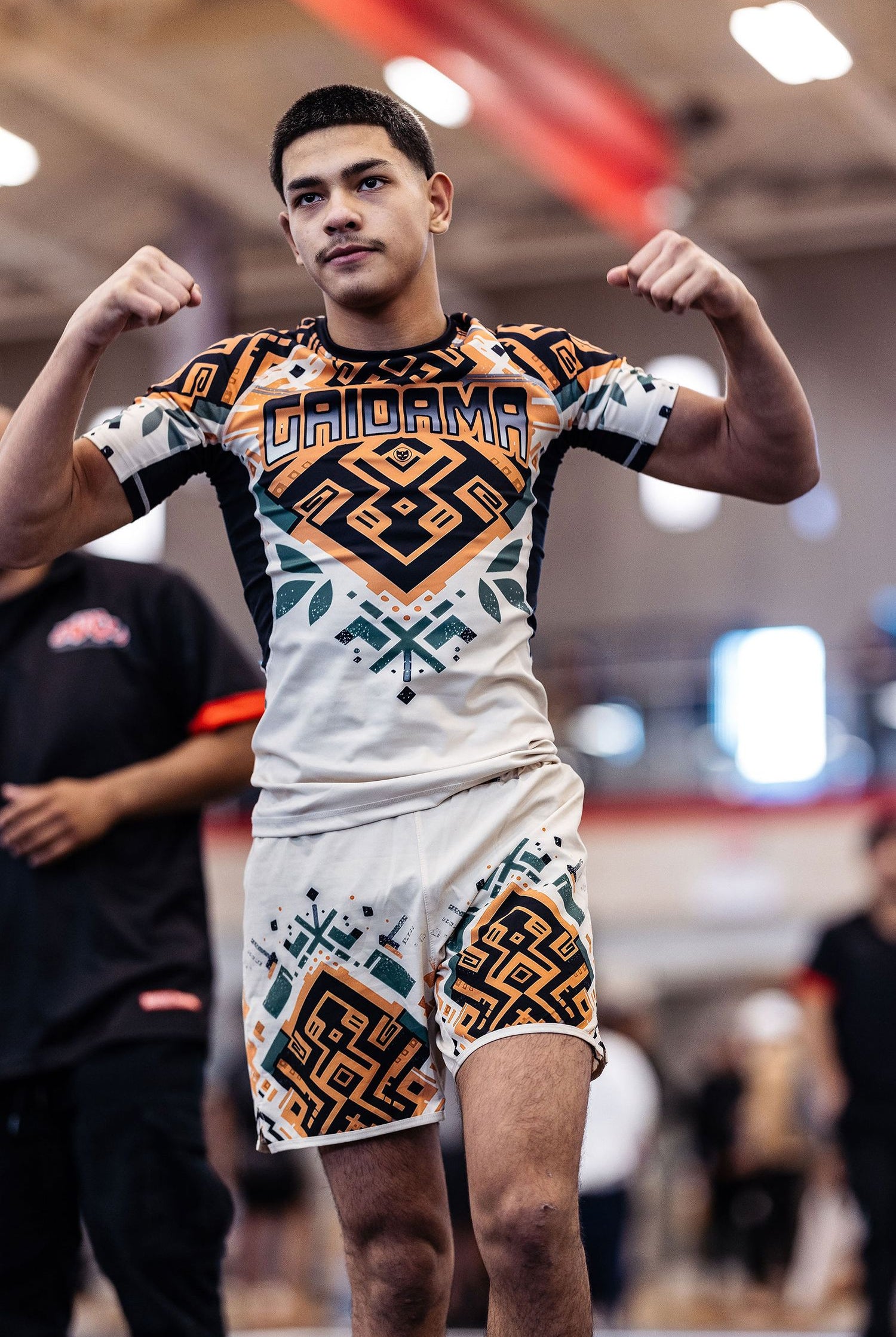
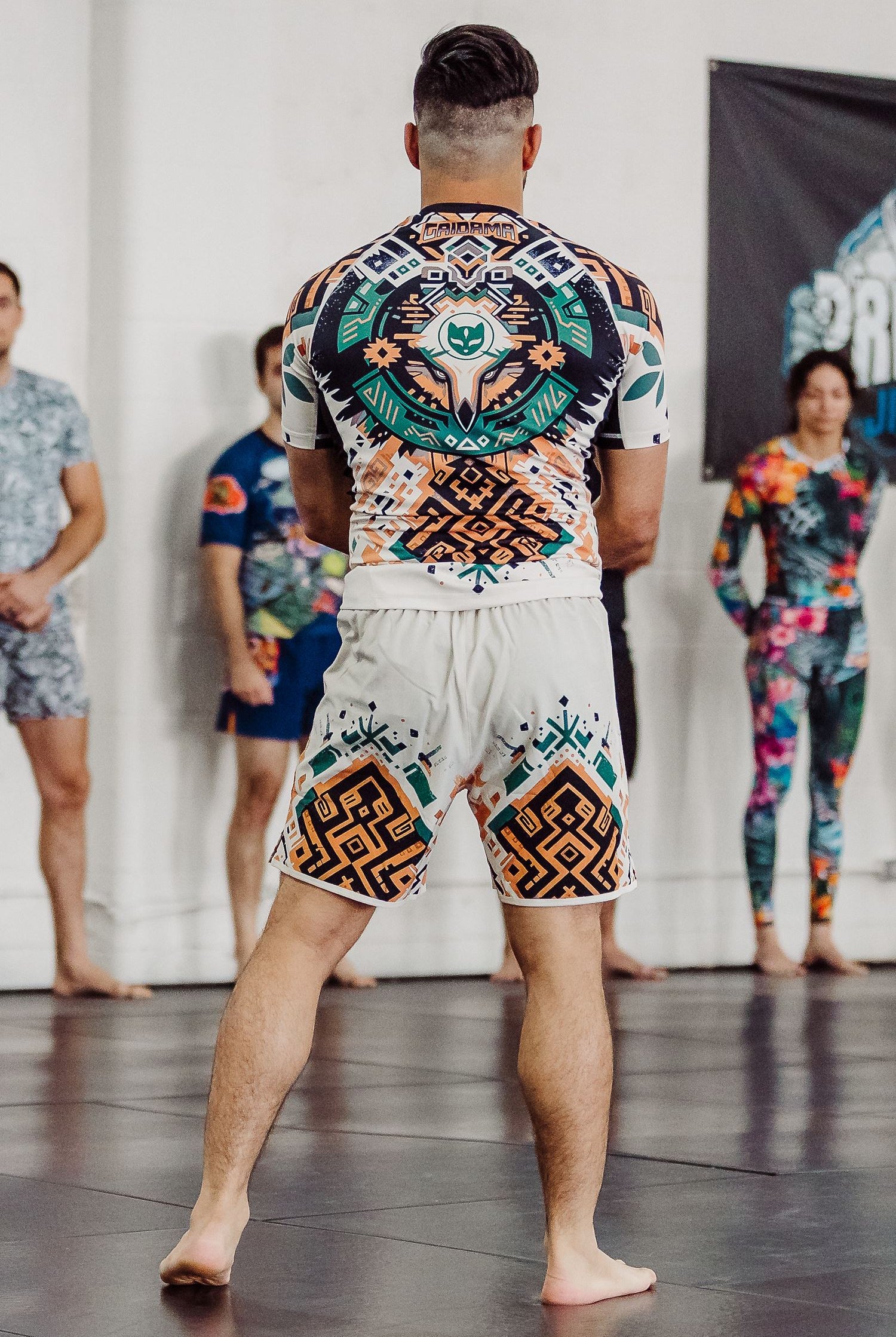
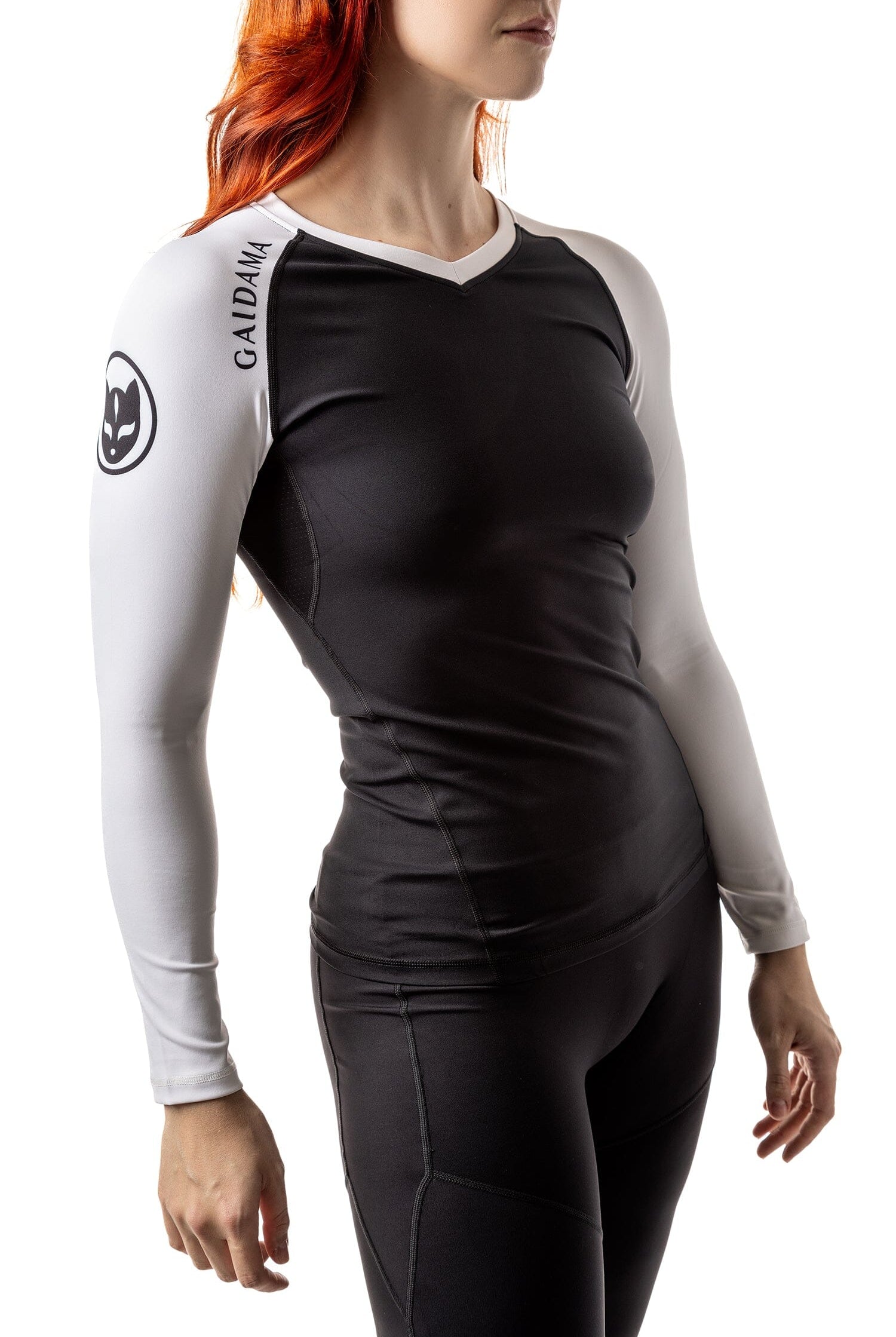
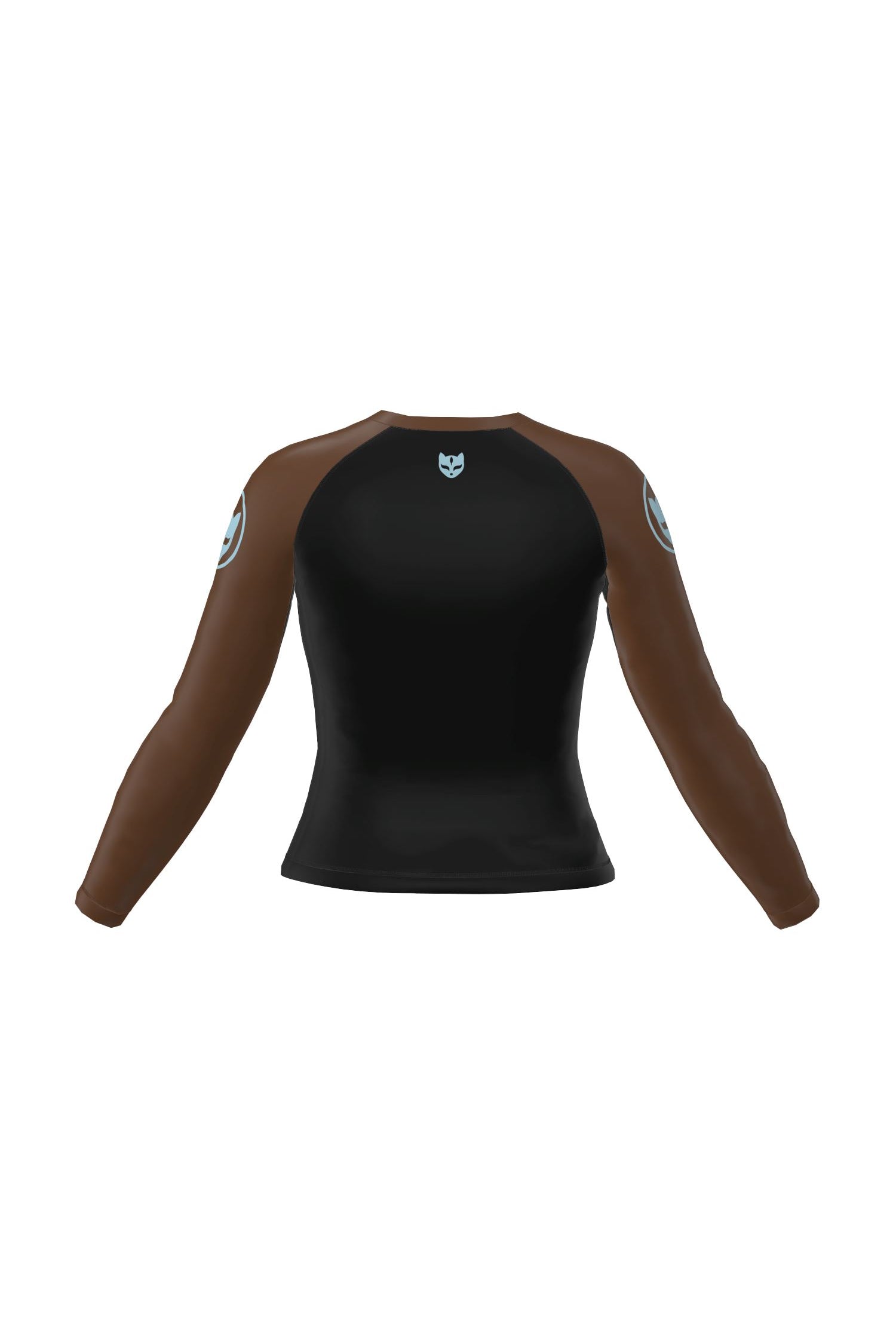
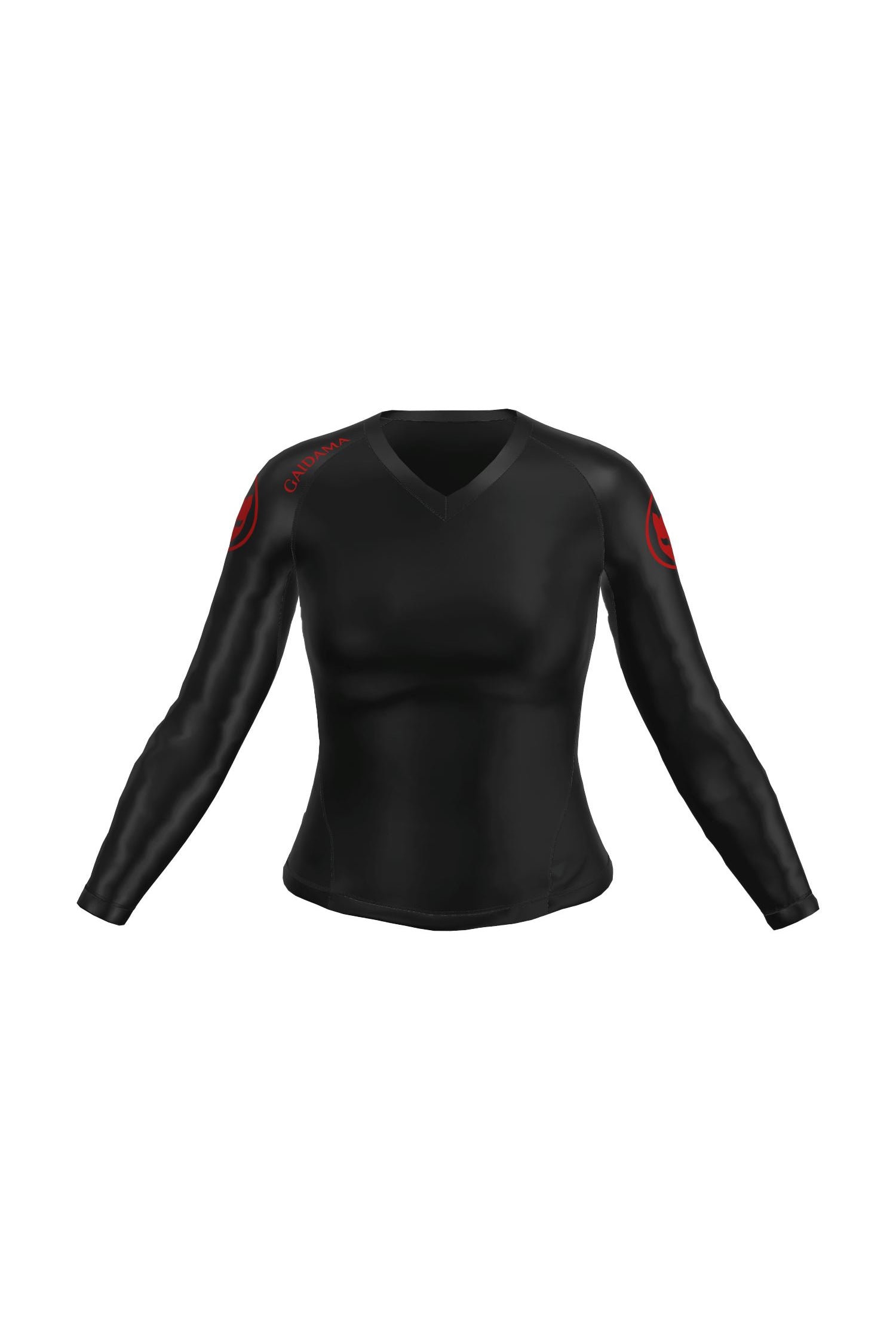
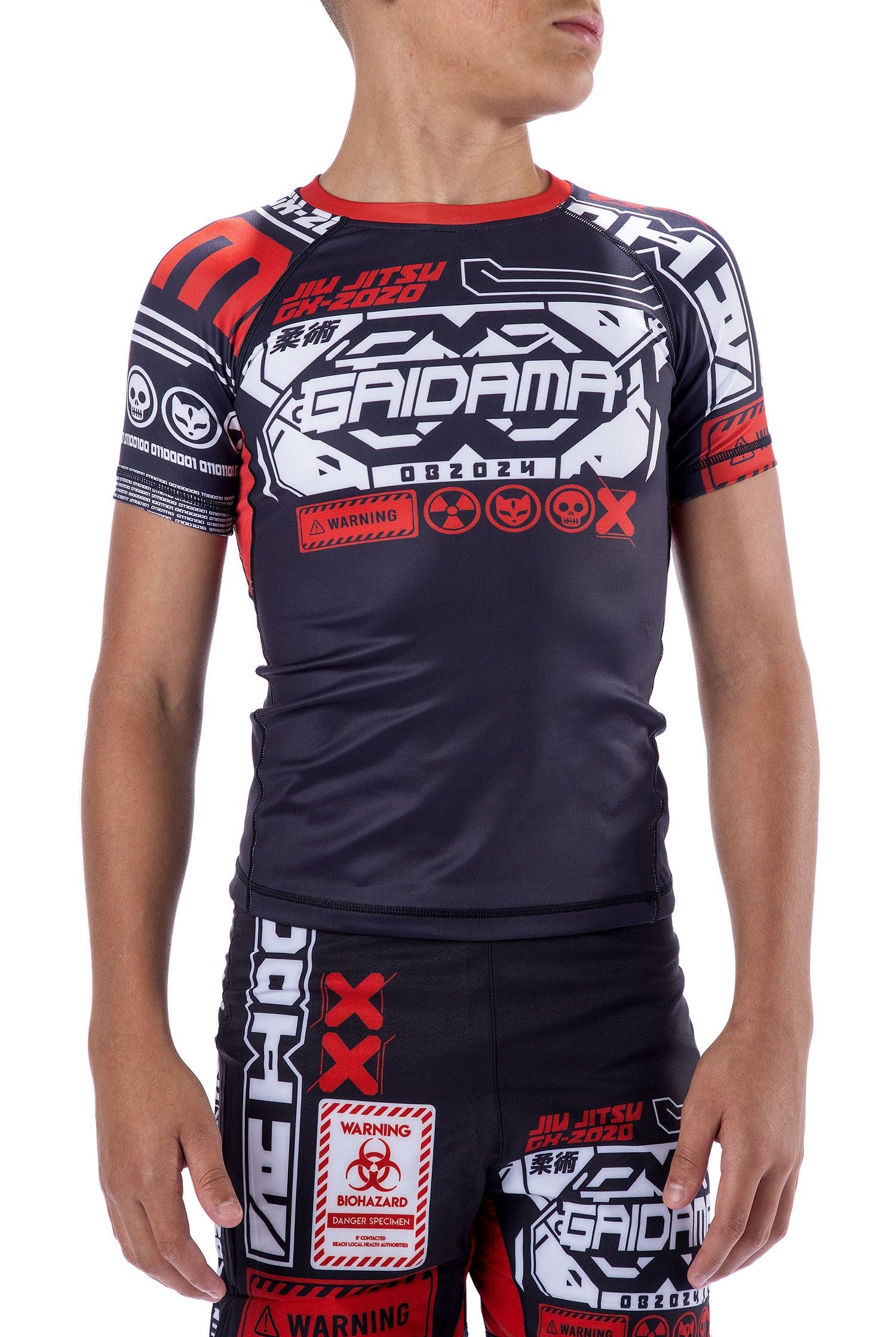
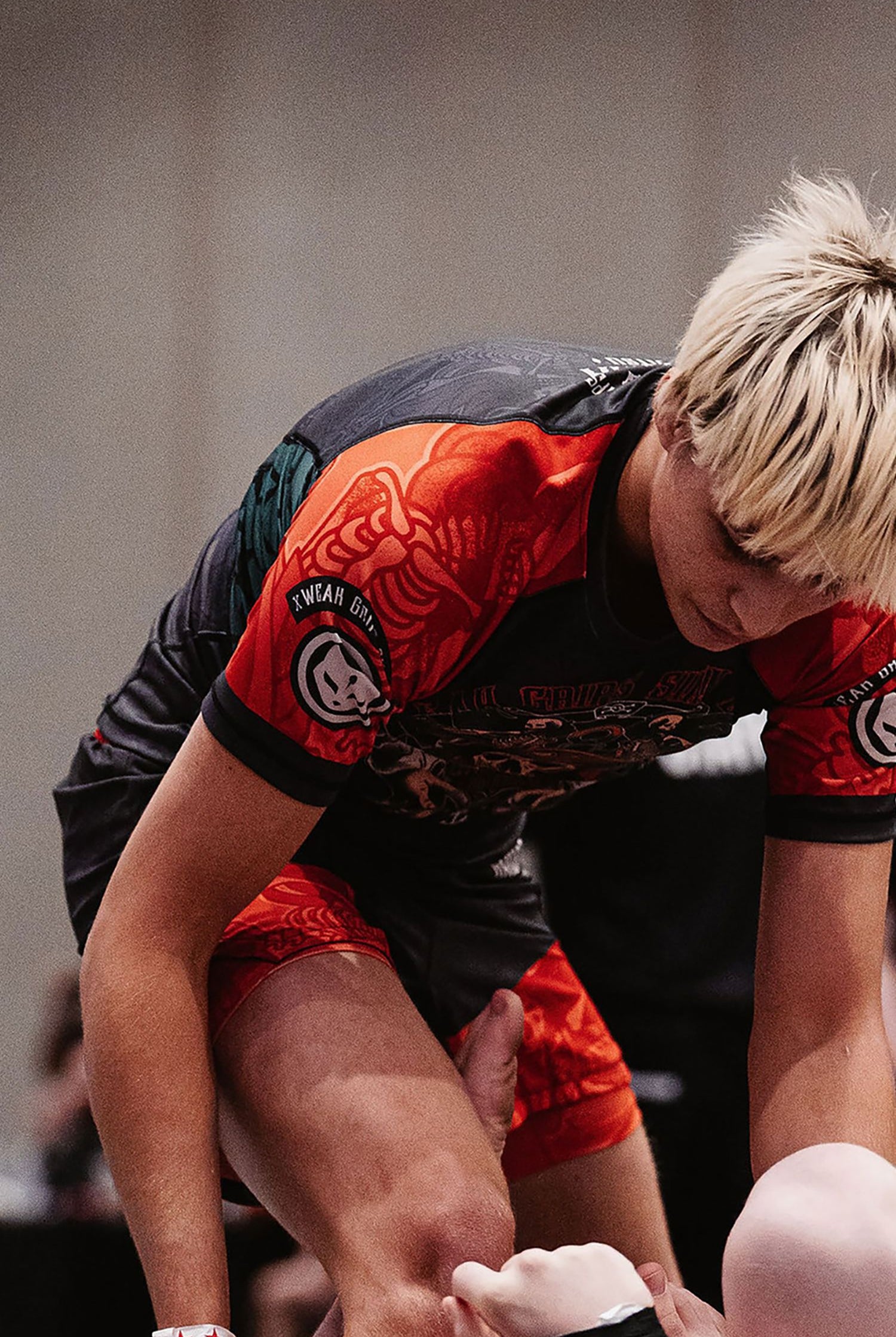
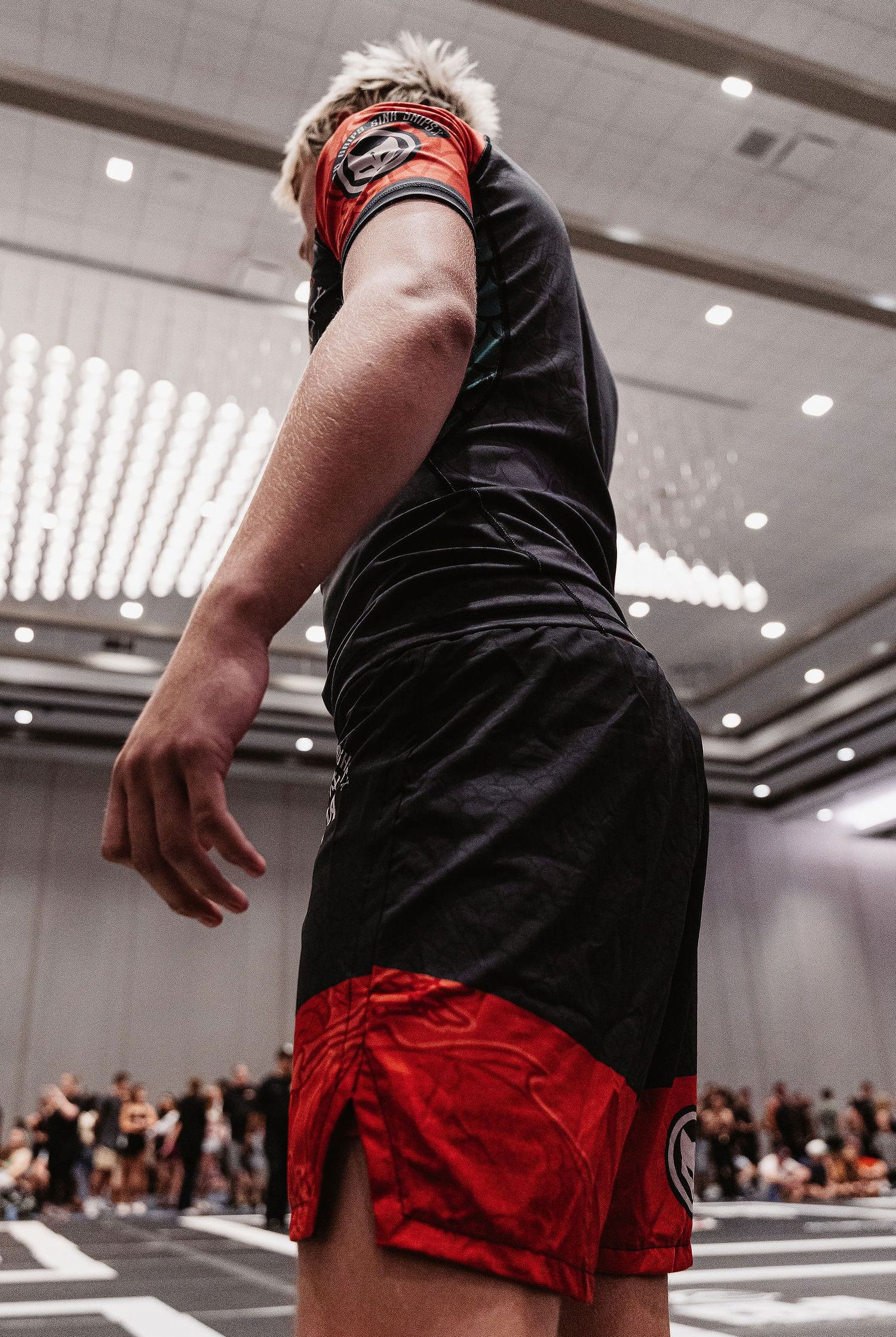
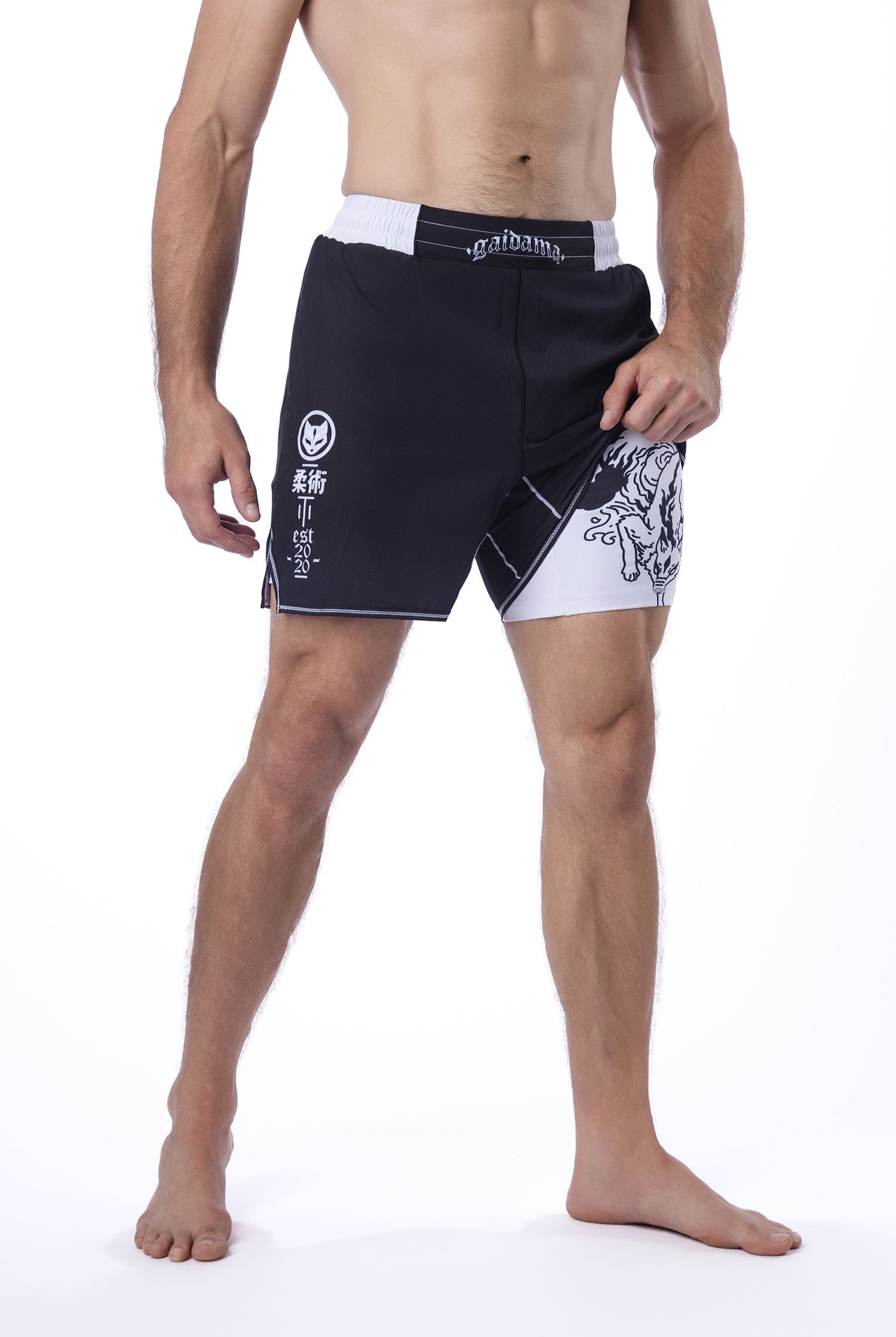
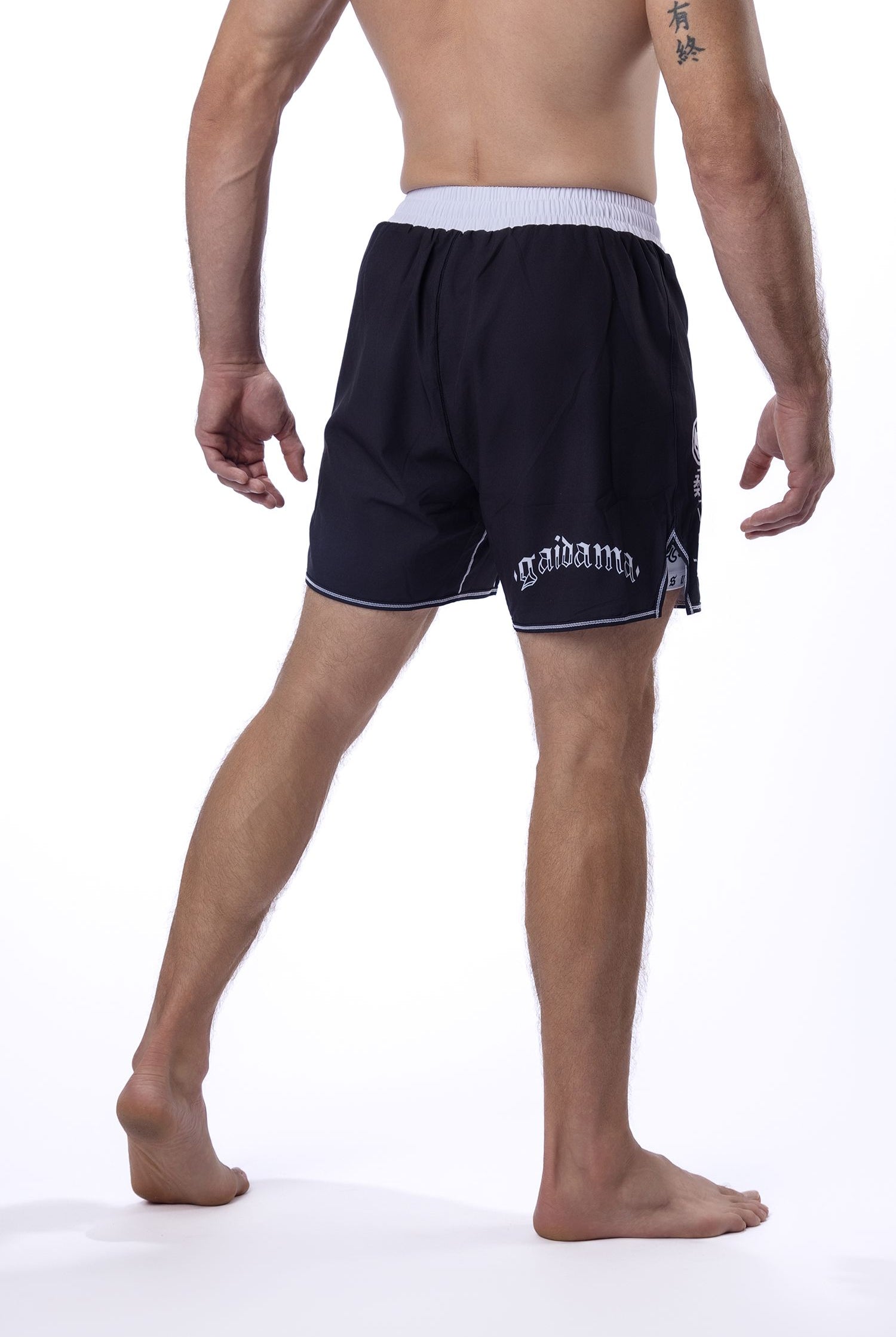
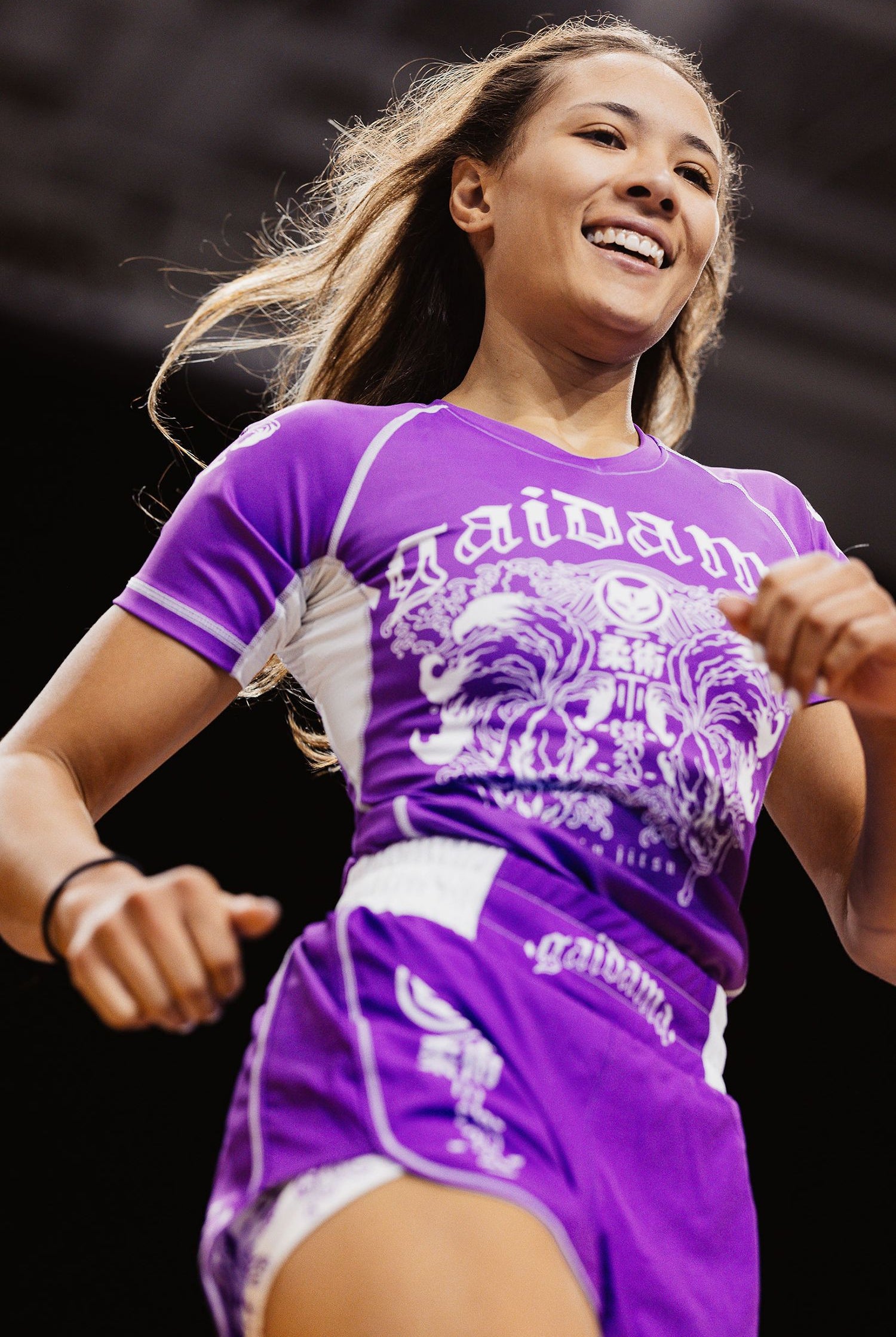
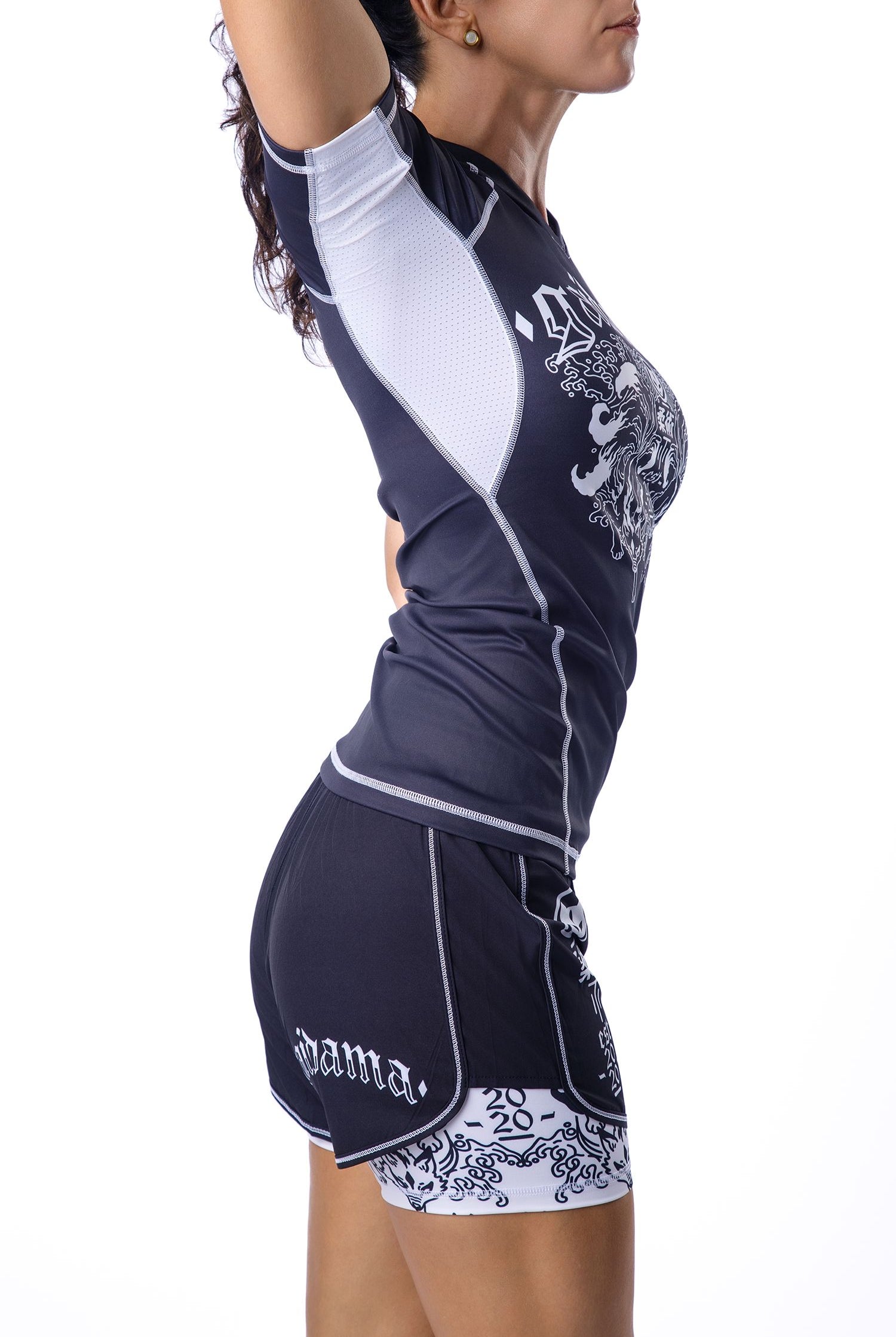
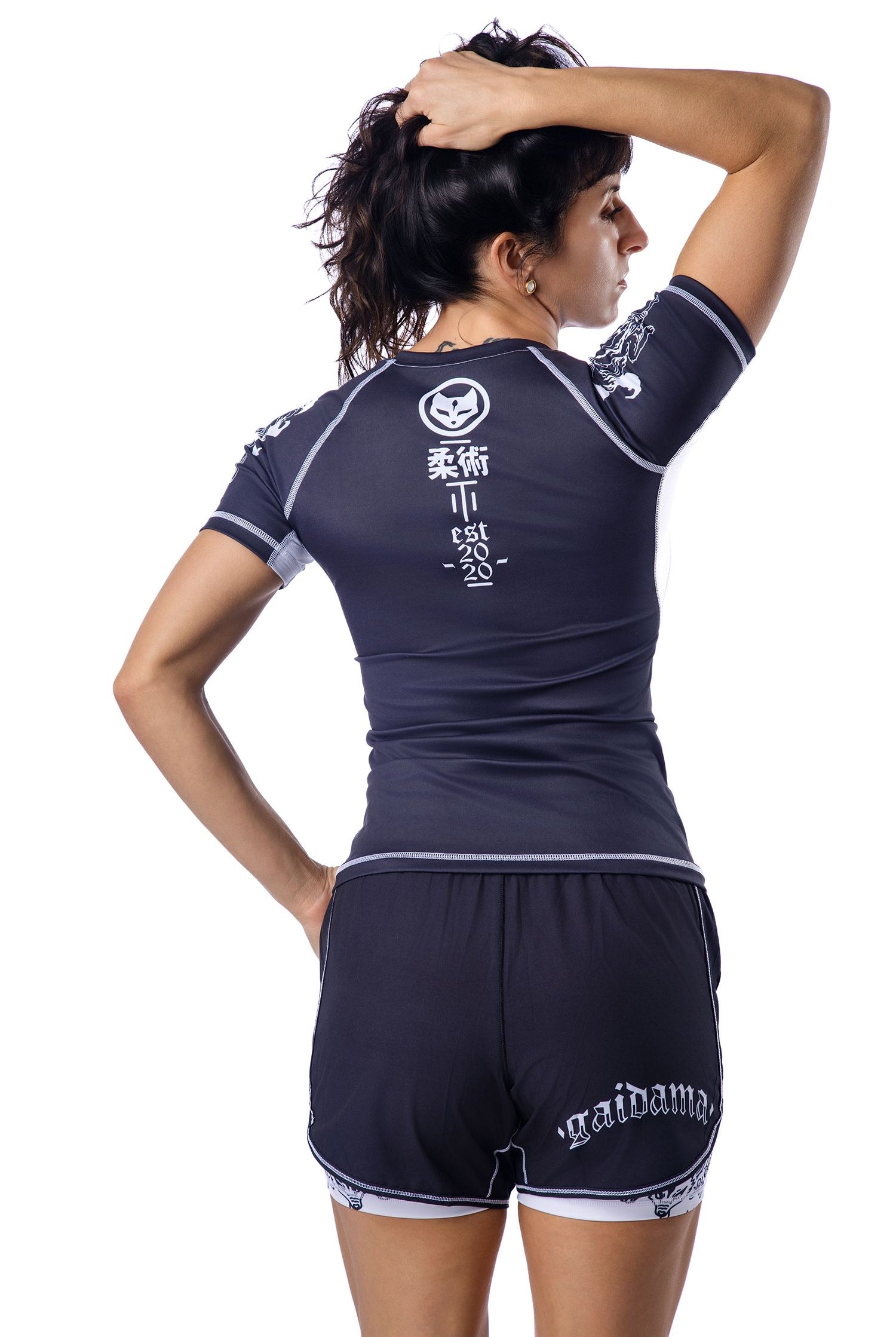
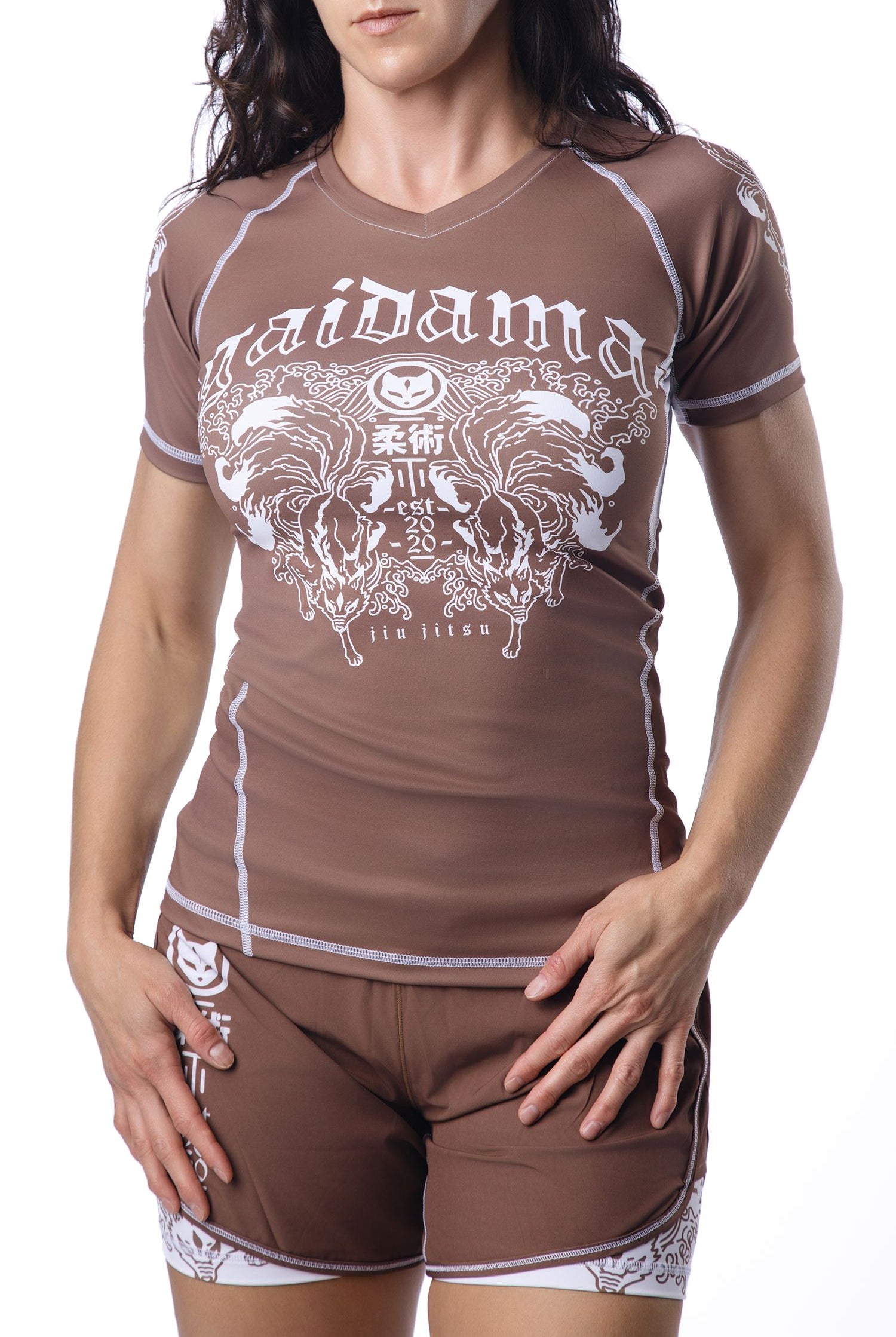
At least one rash guard and pair of spats or board shorts (multiple rash guards will become necessary if you stick with the sport)
-
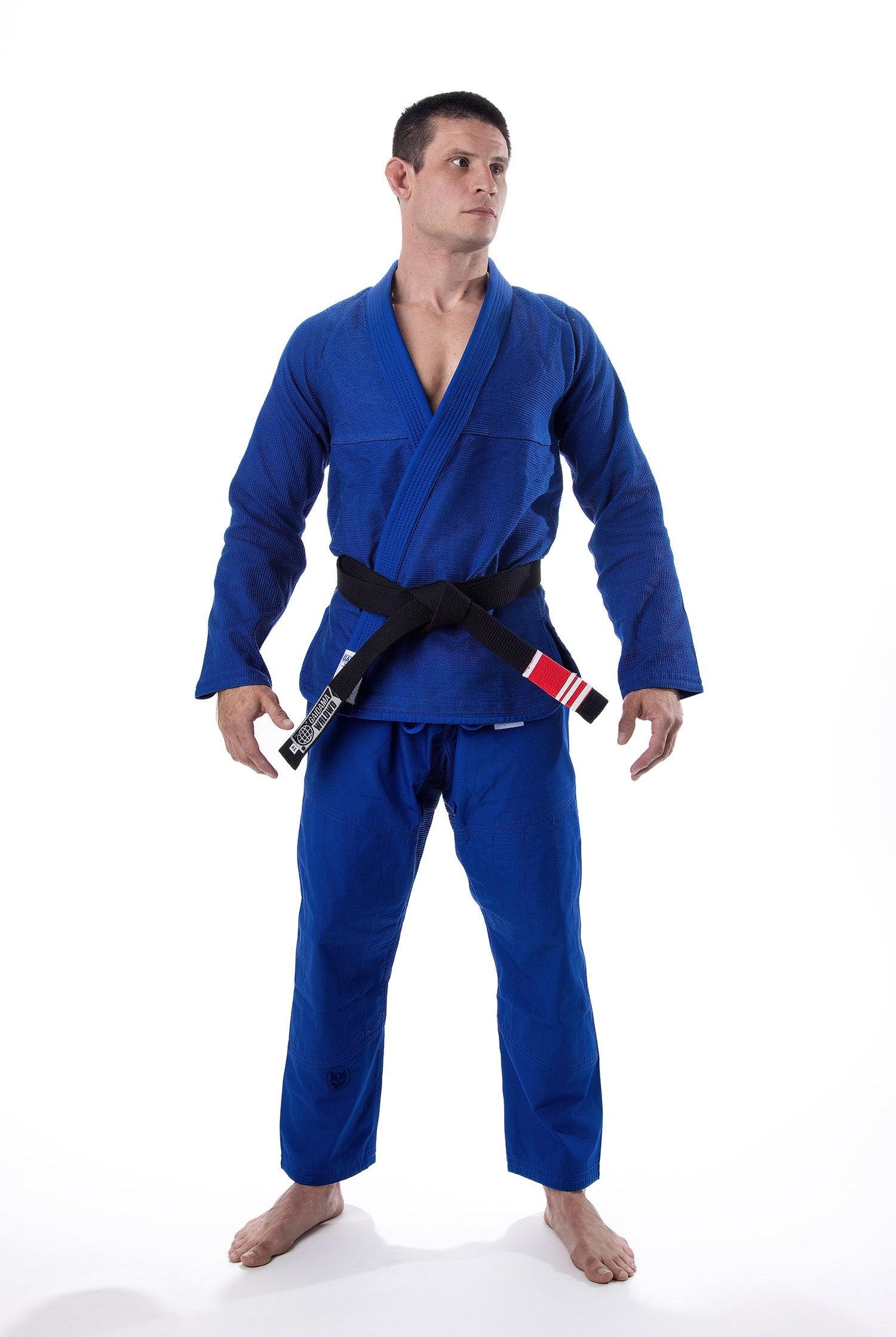
At least one gi
-
Optional bonus purchase: a beginners’ instructional from resources like BJJ Fanatics, which can answer common questions from new white belts like “what the heck is a cross collar grip?” or “what does butterfly guard mean?”
Every gym owner has different rules, but some pretty universal basics include:
-
Wear clean gym clothes, and shower after every class.
-
Wear shoes off the mat.
-
Clip toenails and fingernails to prevent snags and scratches.
How to Choose the Right Jiu-Jitsu Gym for You
With the growing popularity of MMA and its common sibling sub-disciplines like Muay Thai and jiu-jitsu, most aspiring grapplers have their pick of martial arts academies offering Brazilian jiu-jitsu classes. However, it’s important to choose a gym that matches your personal needs.
Start with the basics: how often do you want to train, and what’s your budget? If you’re serious about competing, and can afford extra training, a higher membership dues for more classes may be worth the price. Some gyms offer discounts in exchange for month- or yearlong commitments, or even a lifetime membership.
What kind of training schedule is ideal for you? Do you find that you prefer evening classes, so you don’t have to get up at the crack of dawn to train before work? Make sure you select a gym with a robust evening class schedule – or prepare to change up your sleep schedule. On the other hand, if you’re a natural early bird who goes to bed before ten every night, a gym that only offers late evening classes that wrap up at 11 PM might not be your best logistical fit.
Don’t forget to ask yourself what your goals as a martial artist are. Do you want to supplement your new jiu-jitsu skills with a striking art? If so, your best bet is probably an MMA gym that offers not only a strong jiu-jitsu program, but also Muay Thai or boxing training, taught by reputable coaches. However, keep in mind that an MMA gym’s class schedule may offer fewer time slot options for Brazilian jiu-jitsu classes alone, simply because the boxers, Muay Thai fighters, and MMA students all need mat time as well.
Do you want to train in a grappling-based martial art only? If so, you may find more flexible class schedule options at gym specializing specifically in Brazilian jiu-jitsu, without supplementary martial arts or combat sports programs. Most traditional Brazilian jiu-jitsu gyms can trace their lineage back to Helio Gracie, Carlos Gracie, or another member of the Gracie family. While the majority of these classes place more emphasis on training in the gi, if you’d prefer to focus on no-gi classes, the 10th Planet team is famous for its exclusive specialization in no-gi classes. Search “@10p Brazilian jiu-jitsu” on Instagram and other social media platforms to find an affiliate near you, and check out their accounts to see if the vibes are a good fit.